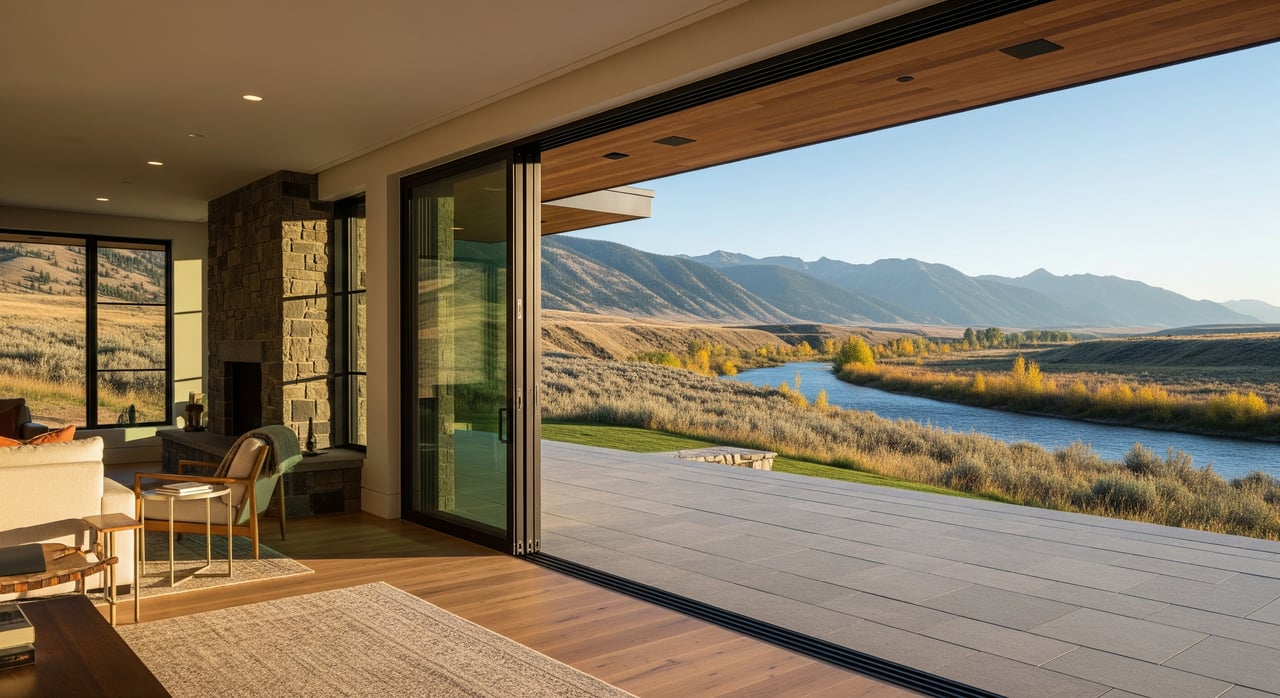
Winter in Paradise Valley can be stunning and tough at the same time. If your home feels drafty, loud to heat, or uneven from room to room, you are not alone. The good news is you can boost comfort without cranking up energy use. In this guide, you will learn the low‑energy upgrades that work best for our climate, how to prioritize them, and where to find rebates and tax credits. Let’s dive in.
Why Paradise Valley benefits from these upgrades
Paradise Valley sits in a cold climate with long heating seasons and warm summers. Average temperatures around the Livingston station range from about 21°F in December to about 68°F in July, with modest precipitation. Heating is the dominant energy need, so sealing leaks, insulating, and right‑sizing heat systems have outsized payoffs. You will see the biggest comfort gains by tightening the shell, then upgrading mechanicals.
Reference: Local climate normals for Livingston help explain the long heating season and high heating degree days. See the data on the Livingston climate normals page.
Start with a home energy audit
A qualified energy audit shows where your home is losing heat and how to fix it. Auditors use tools like blower doors and thermal imaging to find leaks, insulation gaps, and duct issues. Ask for BPI or RESNET credentials and request a written plan that lists measures in order of impact and cost. An audit also helps gather documentation you may need for incentives.
Seal leaks and insulate the attic
Air sealing is usually the fastest comfort win in older and rural homes. Focus on the attic plane, top plates, recessed lights, and ductwork to cut drafts and reduce ice‑dam risk. After sealing, bring attic insulation up to cold‑climate targets. For IECC Zone 6, aim for attic R‑60 where feasible, with R‑49 as a typical minimum in some guidance. Learn more about recommended targets and sequencing from the U.S. Department of Energy.
Right‑size heating with heat pumps
Modern cold‑climate air‑source heat pumps can heat efficiently well below freezing and provide cooling in summer. Look for ENERGY STAR Cold Climate models or systems that meet recognized low‑temperature performance criteria. Correct sizing and installation are key, and some homes keep a backup system for the coldest snaps. For selection and sizing guidance, see the PNNL Building America resource on cold‑climate heat pumps.
Efficient hot water with HPWH
Heat‑pump water heaters typically use two to three times less electricity than standard electric tanks. They can save hundreds of dollars per year versus electric resistance, especially in homes with higher hot‑water use. Locate them in a basement or garage when possible so they can draw heat from surrounding air. Learn how they work in the Building Energy Score guide to water heating.
Fresh air and filtration
As you tighten your home, plan balanced ventilation for healthy air quality. Heat recovery ventilators and energy recovery ventilators capture about 60 to 80 percent of heat from exhaust air while bringing in fresh air. During wildfire smoke events, high‑efficiency filtration and the ability to close outdoor intakes are important. See whole‑house strategies in this PNNL ventilation guide.
Windows and doors: smart upgrades
If you have older single‑pane windows, high‑performance replacements can improve comfort and reduce cold‑weather drafts. Interior storm panels, quality weatherstripping, and thermal curtains can deliver meaningful gains at lower cost. If you plan window work, confirm product criteria for any credits before you buy.
Smart controls and small wins
Programable or smart thermostats help avoid heating empty rooms and can smooth out daily temperature swings. Duct sealing, high‑efficiency fan motors, and LED lighting are affordable steps that add up. These small moves complement bigger upgrades and often qualify for utility rebates.
Solar readiness and planning
Montana’s sunny seasons can make solar a strong partner to efficiency. If you plan to electrify with a heat pump or HPWH, reducing your load first can shrink a future solar system size. Check interconnection rules and utility programs before you design a PV system. Explore current offers on NorthWestern Energy’s rebates and incentives page.
Rebates, credits, and financing in Montana
- Federal tax credits: The Energy Efficient Home Improvement Credit and the Residential Clean Energy Credit can cover up to 30 percent of qualifying costs, subject to annual caps and product criteria. Starting in 2025, some products must come from a qualified manufacturer with a product identification number on your receipt. Review the latest details on the IRS energy credits page.
- Montana DEQ programs: The state offers Home Efficiency Rebates and Home Electrification and Appliance Rebates for projects like heat pumps, insulation, and panel upgrades. Amounts can vary by income and measure. Check eligibility and application steps at Montana DEQ Energy Programs.
- Utility incentives: NorthWestern Energy’s E+ program offers rebates for heat pumps, HPWH, insulation, and smart thermostats, with requirements that differ for electric versus gas customers. See current terms on NorthWestern Energy’s incentives page.
- Weatherization assistance: Income‑qualified households can receive air sealing, insulation, and related upgrades through the Montana Weatherization Assistance Program. Learn more at DPHHS Weatherization Assistance.
Tip: Save model numbers, invoices, and contractor documentation for every upgrade. Many programs require proof of product eligibility.
Quick‑start plan for your Paradise Valley home
- Book an energy audit and ask for a prioritized plan with air‑sealing targets and insulation levels.
- Seal attic leaks, ducts, and rim joists, then insulate attics toward R‑60.
- Add balanced ventilation with a quality filter if your home becomes tight.
- Evaluate a cold‑climate heat pump for heating and cooling, plus a heat‑pump water heater.
- Confirm rebates and credits before you purchase, and keep all documentation.
Upgrading with this order protects comfort through long winters while keeping energy use in check. It also helps future owners understand and value your home’s improvements.
Ready to align your upgrade plan with a purchase or sale in Paradise Valley or the greater Bozeman area? Reach out to Mark Meissner for local guidance on which improvements matter most for your property and your goals.
FAQs
What are the biggest comfort wins for Paradise Valley winters?
- Air sealing and attic insulation deliver the quickest comfort boost, followed by right‑sized heating and balanced ventilation.
Can a heat pump keep up in subzero cold?
- Modern cold‑climate models can heat efficiently well below freezing when properly sized, with some homes keeping a backup system for the coldest snaps.
Which incentives can I use in Montana?
- You can combine federal tax credits with Montana DEQ rebates and utility incentives, but always check current rules and product requirements before buying.
Do I need a new electrical panel for a heat pump?
- Some homes do, especially when adding a heat‑pump water heater or EV charging, so ask your contractor to evaluate panel capacity early in planning.
How should I plan upgrades before listing my home?
- Follow the sequence of audit, air sealing, insulation, ventilation, and efficient heating, and keep clear documentation to help buyers understand the improvements.