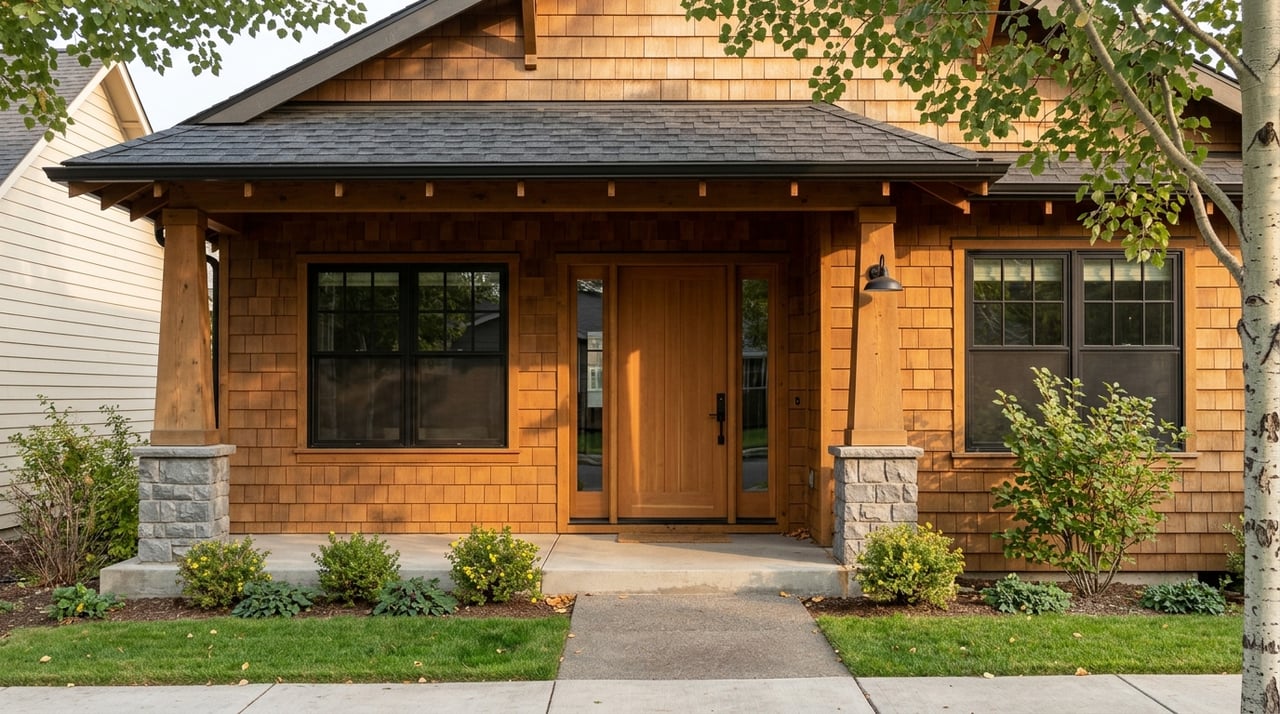
Wondering why more Bozeman-area buyers keep Three Forks on their radar? If you want a small-town setting, easier access to open space, and a realistic commute into Bozeman, Three Forks stands out for practical reasons. From river access and trail connections to a compact downtown and a housing mix that often includes detached homes and larger lots, this area offers a different pace without feeling disconnected. Let’s dive in.
Three Forks Offers Room To Breathe
One reason Three Forks appeals to Bozeman-area buyers is its setting. According to the city’s adopted growth policy, Three Forks sits about 30 miles west of Bozeman along the I-90 and MT-2 corridor, at the headwaters of the Missouri River where the Jefferson, Madison, and Gallatin rivers meet. The same planning documents describe a compact small-town core with a grid street pattern and a rural, agricultural edge.
That combination matters if you want more breathing room. Instead of a more built-out suburban feel, Three Forks still reads as a traditional small town with open land around it. For many buyers, that creates a strong balance between accessibility and space.
Commute Access Makes It Practical
If you work in or near Bozeman, commute time is often a deciding factor. The city’s growth policy reports that the largest share of Three Forks resident workers commute to Bozeman, and the average commute time for those commuters was 21 minutes. It also found that 579 residents commuted out for work, while 221 commuted in.
That does not make Three Forks a transit-oriented market. In fact, the same city document notes there is no regional transit system, so day-to-day travel is largely car-dependent. If you are comfortable with a drive-based routine, though, Three Forks can offer a commuter-friendly alternative to living closer to Bozeman’s core.
Downtown Still Feels Like A Town Center
Three Forks has a downtown that plays an active role in daily life. The city describes Main Street as a charming district with wide sidewalks, on-street parking, mature street trees, and a growing number of local shops. Downtown also serves as a community gathering place for cafes, restaurants, tourist amenities, and recurring events like the rodeo, airport fly-in, and Christmas Stroll.
For buyers coming from faster-growing parts of the valley, that kind of town center can feel refreshing. You get a place with recognizable local character rather than a purely pass-through commercial strip. It is one of the clearest reasons the community feels distinct.
Historic Character Adds Context
Three Forks also leans into its local history. The Headwaters Heritage Museum is located in the former Three Valleys State Bank building, which is listed on the National Register of Historic Places. The city also highlights the John Q. Adams Milwaukee Railroad Park, which preserves the old Trident Depot and hosts the summer farmers market.
That history does not just add charm. It helps give the town a sense of continuity and identity that many buyers notice right away.
Outdoor Access Is A Major Draw
For a lot of buyers, Three Forks starts making sense the moment they look at recreation. Missouri Headwaters State Park preserves the confluence of the Jefferson, Madison, and Gallatin rivers, and the city says the park is about 4 miles from city limits. It is also accessible by foot or bike through the Headwaters Trail System.
The Headwaters Trail System is a paved network of about 12 miles that runs through town to Missouri Headwaters State Park and to the Jefferson River’s Drouillard Fishing Access. That gives residents a practical way to connect everyday living with outdoor time, whether you are walking, biking, or heading toward the river.
Fishing Access Supports A River Lifestyle
If you enjoy being near the water, Three Forks has clear appeal. Montana Fish, Wildlife & Parks lists Drouillard Fishing Access on the Jefferson River as 2 miles west of Three Forks on Highway 2 and open year-round. FWP also notes the Southwest Region includes the Madison, Gallatin, Jefferson, and upper Missouri, along with 95 fishing access sites.
You do not need to be a serious angler to appreciate what that means. Living here puts you near some of the region’s most recognized river systems, which strengthens Three Forks’ appeal for buyers who want outdoor access close to home.
Parks And Trails Support Daily Recreation
Outdoor access in Three Forks is not limited to destination recreation. The city maintains seven parks totaling just over 9 acres, and it says they are accessible on foot or by bike, in part through the Headwaters Trail System. That adds useful day-to-day convenience for residents who want simple ways to get outside.
In a smaller town, that kind of connected recreation infrastructure stands out. It supports a lifestyle that feels active without requiring a long drive every time you want to enjoy the outdoors.
Housing Feels Different Than Bozeman
Three Forks also appeals to buyers because the housing pattern is different from Bozeman proper. The city’s growth policy says the core is mostly single-family residential on a grid, with commercial uses along the frontage road and surrounding areas that are largely rural residential and agricultural. The same document notes the community has seen very little residential sprawl compared with the rest of the valley.
That can translate into a more traditional neighborhood pattern in town and more open edges outside it. If you are looking for detached housing rather than a denser urban feel, Three Forks often aligns with that goal.
Larger Lots Are Part Of The Appeal
Some buyers are drawn to Three Forks because they want acreage or a more open edge-of-town setting. The city’s planning documents include future land use categories that allow rural residential and open-space uses, with a suggested maximum density of one unit per 3 to 10 acres in one category. The city also notes that nearby large-lot development outside city utilities is typically served by individual wells and septic systems.
That planning context helps explain why acreage-style living is part of the local market. If your wish list includes elbow room, outbuildings, or a less compact setting, Three Forks may offer options that feel harder to find in Bozeman.
Price Context Can Expand Your Options
Budget is another major reason buyers compare Three Forks with Bozeman-area alternatives. The Gallatin County housing needs assessment says lower-priced homes in the county can be found in Three Forks, with a 2023 median detached-home price of about $424,500 and a median detached-home price per square foot of $333. The same report says townhomes in Three Forks had a median of $312 per square foot, though they represented a small share of the market.
That does not mean every home in Three Forks is inexpensive, or that prices stay static. It does mean buyers looking across Gallatin County may find value here, especially if they prioritize detached homes and more space.
Everyday Services Cover The Basics
Three Forks is small, but it still offers a useful base of local services. The city lists a library, senior center, fire station, medical facility with ambulance, pharmacy, chiropractic clinic, dentist, post office, and educational facility in town. The city website also highlights a local clinic, emergency services, and nearby medical options in the Bozeman area.
For many buyers, that mix supports daily convenience without losing the small-town feel. You may still travel for some needs, but the town has core services that help make full-time living practical.
Local Schools Have A Smaller District Profile
For buyers comparing school settings, it helps to understand scale. The National Center for Education Statistics identifies the district as rural-distant, with 543 students and two schools. The district website centralizes registration, calendars, athletics, and board information at its East Neal location.
That data points to a smaller district profile than what you would find in Bozeman. If school size is part of your home search, Three Forks may be worth a closer look as you compare options.
Why Buyers Keep Coming Back To Three Forks
When you step back, the appeal of Three Forks is easy to understand. It gives you a small-town downtown, a car-friendly connection to Bozeman, direct access to rivers and trails, and a housing mix that often includes detached homes and larger lots. For many buyers, that combination feels practical, scenic, and grounded.
If you are weighing Bozeman-area communities, Three Forks deserves a serious look. It offers a different way to live in Gallatin County, especially if you value space, outdoor access, and a town with a clear sense of place.
If you want help comparing Three Forks with Bozeman, Belgrade, or Manhattan, Mark Meissner offers clear, local guidance for your next move.
FAQs
Why do Bozeman-area buyers consider Three Forks?
- Many buyers consider Three Forks because it combines a small-town setting, a drive-based commute to Bozeman, river and trail access, and housing that often includes detached homes and larger lots.
How far is Three Forks from Bozeman?
- Three Forks is about 30 miles west of Bozeman along the I-90 and MT-2 corridor, according to the city’s planning documents.
What is the commute like from Three Forks to Bozeman?
- The city’s growth policy says the largest share of resident workers commute to Bozeman, with an average commute time of 21 minutes for those commuters, and daily travel is largely car-dependent.
What outdoor recreation is available near Three Forks?
- Three Forks offers access to the Headwaters Trail System, Missouri Headwaters State Park, local parks, and nearby fishing access on the Jefferson River, with the Madison, Gallatin, Jefferson, and upper Missouri rivers all part of the broader regional recreation picture.
What types of homes are common in Three Forks?
- The city describes the core as mostly single-family residential, with surrounding areas that are largely rural residential and agricultural, which helps explain the mix of in-town homes and nearby larger-lot properties.
Are home prices in Three Forks lower than other parts of Gallatin County?
- Gallatin County’s housing needs assessment says lower-priced homes in the county can be found in Three Forks, including a 2023 median detached-home price of about $424,500.