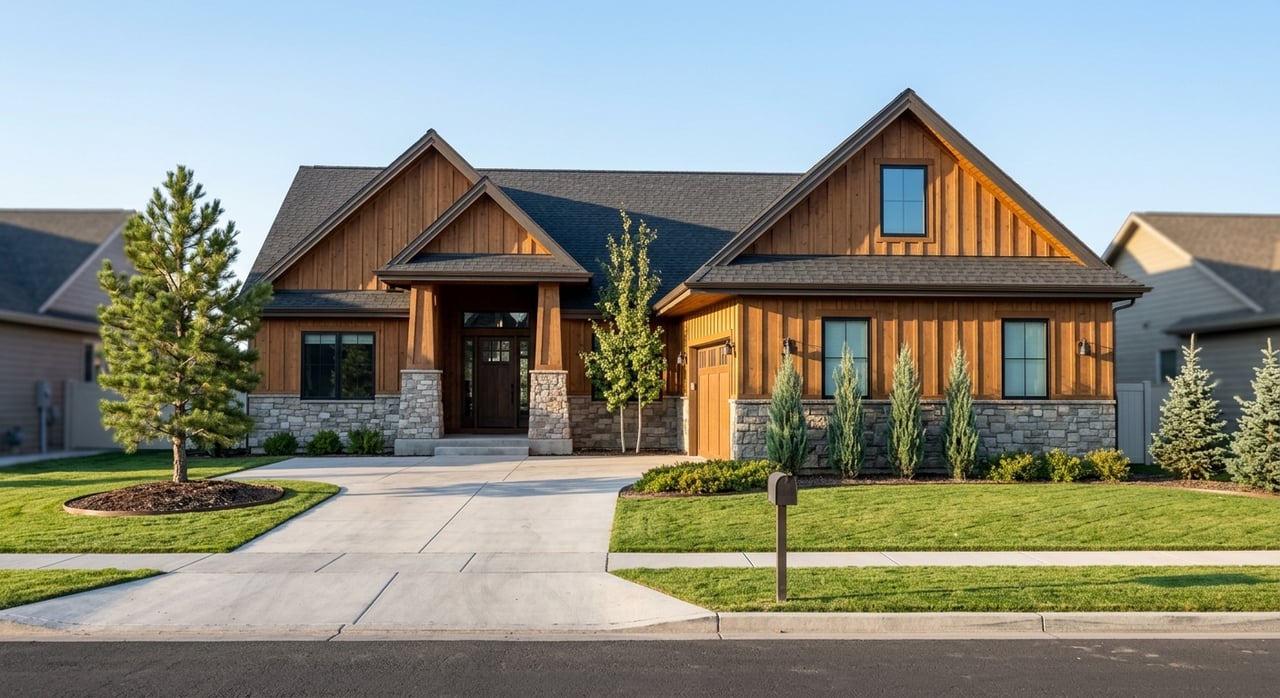
Wondering where Belgrade’s next wave of new construction is taking shape? You are not imagining the pace of change. Belgrade is growing through a coordinated planning process, with roads, utilities, zoning, and new subdivisions all shaping where homes, mixed-use projects, and commercial spaces are showing up next. If you are thinking about buying, building, or selling in the area, understanding these growth patterns can help you make a smarter move. Let’s dive in.
Why growth is clustering in Belgrade
Belgrade’s growth is not happening as a series of disconnected projects. The city is updating its land-use planning, future land-use map, and subdivision regulations while also looking at transportation, utilities, parks, trails, housing, and employment over the next 20 years.
Earlier city planning documents projected roughly 4,800 to 6,000 additional residents between 2019 and 2030. That helps explain why current growth is concentrating in places where roads, water, wastewater, and other infrastructure can support larger-scale development.
Another key detail is Belgrade’s planning jurisdiction. It extends 4.5 miles outside city limits, which means some of the most important growth areas are inside the city and some are just beyond it, where future zoning and annexation decisions still matter.
The city also adopted a new zone code on July 17, 2023. That matters because zoning helps determine what kind of housing, lot sizes, parking, and mixed-use development can be built in different parts of Belgrade.
Jackrabbit and West Cameron Bridge
The clearest high-growth corridor right now is around Jackrabbit Lane and West Cameron Bridge Road. This area stands out because it is not just adding a few homes at a time. It is seeing larger, more coordinated projects that point to long-term neighborhood growth.
One of the biggest examples is the Foundry Major Subdivision. Preliminary plans include about 556 residential lots, 138 apartments, and 17.587 acres of commercial and nonresidential land, with main access from Jackrabbit Lane and West Cameron Bridge Road.
That mix tells you a lot about how this area may function in the future. It is being planned as more than a standalone subdivision. With streets built to city standards, including curb, gutter, and sidewalk, the corridor is taking shape as a more complete urban neighborhood environment.
Nearby, Jackrabbit Crossing Phase 1B adds another layer of growth. The final plat creates 18 commercial lots and one lot for further subdivision, and approval conditions include sidewalks, street lighting, utility easements, street-maintenance participation, and avigation easements tied to airport proximity.
For you as a buyer or land owner, this means the Jackrabbit corridor is growing with both housing and commercial development. It also means this area will likely continue to feel active as infrastructure and new phases move forward.
What transportation means here
Jackrabbit is also one of Belgrade’s biggest transportation pressure points. The Montana Department of Transportation plans to widen Jackrabbit Lane to five lanes from Madison Avenue to Main Street and add an underpass or overpass at the railroad crossing, with construction currently slated for 2029.
That future work matters for anyone watching new construction in this corridor. It suggests public infrastructure is being planned to support sustained growth, but it also signals that traffic and construction impacts may remain part of the picture for some time.
Northwest Belgrade growth areas
Another area to watch is northwest Belgrade, especially around Cruiser Lane and Dry Creek Road. City planning materials describe this as a growing part of the community, and transportation planning is already being shaped around that reality.
The preferred solution for the Dry Creek and Cruiser area includes a three-legged roundabout at Dry Creek and Cruiser and a traffic signal at Jackrabbit and Cruiser. MDT has said this design works through 2044, which points to a long-range view of continued growth in the northwest part of town.
For buyers, this can be a useful signal. When intersection planning is designed for long-term demand, it often reflects confidence that the surrounding area will continue to add homes, trips, and supporting development over time.
Amsterdam Road and the I-90 side
The east and southeast side of the Belgrade area is also seeing infrastructure-led growth, especially around Amsterdam Road, River Rock Road, Green Belt Drive, and the I-90 ramps. This side of the market is worth watching if you want access tied to freeway corridors and airport-adjacent development patterns.
MDT’s Amsterdam Road project includes traffic signals at Amsterdam and River Rock Road and Amsterdam and Green Belt Drive. It also widens Amsterdam Road from River Rock Road to Thorpe Road to three lanes and connects with broader improvements near the I-90 eastbound ramps and Jackrabbit Lane with the I-90 westbound ramps.
The broader Belgrade intersection planning also includes a selected roundabout at Broadway and Main Street. Taken together, these projects show that the east and southeast side are not just growing through private development. They are being supported by transportation upgrades that can influence where future projects make sense.
Airport and freeway-adjacent projects
A good example on this side of town is West Post. Its Phase 2 and Phase 3 plats cover an area around East Cameron Bridge Road, South Alaska Road, Jackrabbit Lane, I-90, and Yellowstone Airport.
Phase 2 creates 27 mixed-use lots plus a stormwater tract, while Phase 3 creates 4 mixed-use lots. That tells you this part of Belgrade is not only adding residential opportunities. It is also seeing mixed-use and employment-oriented development tied to airport and freeway access.
How zoning shapes new construction
If you are comparing new construction areas in Belgrade, zoning matters as much as location. The city’s code already allows a wide range of lot sizes and development forms depending on the district.
For example, Neighborhood Residential, Commercial Corridor, and Mixed Use districts use 2,500-square-foot minimum lots. Mixed Residential uses 5,000 square feet, Innovation District uses 6,000 square feet, Industrial uses 20,000 square feet, and Airport District A and B use 40,000 square feet along with additional airport-related standards.
In practical terms, that means new construction will not look the same across Belgrade. Some areas are set up for more compact homes and mixed-use patterns, while others are intended for larger employment, industrial, or airport-oriented parcels.
The Master Planned Community district
One of the biggest clues about future housing form is Belgrade’s Master Planned Community (MP) zoning district. City staff said this district was created for Jackrabbit-area development and would allow smaller lots than any current district, reduced residential parking, and both detached and attached housing types within a master-planned setting with neighborhood amenities.
For buyers, this may translate to more variety in housing product. Depending on the project, you may see smaller lots, attached homes, and more compact neighborhood layouts in the areas where roads and utilities are already positioned to support that kind of growth.
For land owners and builders, it signals that Belgrade is making room for development types that differ from the larger-lot pattern many people still associate with edge-of-town growth.
Infrastructure drives what gets built
In Belgrade, infrastructure is not an afterthought. The city’s Utilities Master Plan looks at how growth affects wastewater, water, and stormwater systems and identifies improvements needed to serve future demand.
Public feedback in the planning process has also emphasized keeping development connected to water and sewer, while adding trails, bike paths, and better traffic management in denser areas. That gives useful context for why some areas are moving faster than others.
On the ground, subdivision approvals show how specific these requirements can be. New projects may need utility easements, water and sewer approvals, storm drainage, fire hydrants, sidewalks, street lighting, and street-maintenance participation.
This is one reason growth tends to cluster instead of spreading evenly. New construction in Belgrade is often less about open land alone and more about whether a site fits the city’s infrastructure and regulatory framework.
What airport proximity changes
Parts of Belgrade are also shaped by Bozeman Yellowstone International Airport. The city’s zoning ordinance includes an Airport District and an Airport Influence Area, which cover land affected by runway approach zones and related airport considerations.
If you are looking at new construction near the airport, this matters. Height, use, and easement requirements can differ from those in a typical residential area, and some plats include avigation easements as part of approval conditions.
That does not make these areas less important. In fact, airport and freeway proximity are part of why mixed-use and employment-oriented projects are showing up there. It simply means the development framework can be different from what you would see in a more traditional neighborhood setting.
What this means for buyers and sellers
If you are a buyer, the strongest commute-oriented new-build options are likely to be in the Jackrabbit and West Cameron Bridge corridor and on the Amsterdam and I-90 side of the Belgrade area. These are the places where housing growth and infrastructure planning are most visibly moving together.
At the same time, these are also the corridors where you may continue to notice road work, traffic pressure, and active construction as the transportation network catches up with demand. Knowing that ahead of time can help you weigh convenience today against longer-term upside.
If you are a seller or land owner, understanding where the city is concentrating infrastructure and zoning flexibility can help you better position your property in the market. Growth is not random, and buyers often respond strongly when a property sits near areas with clear long-term planning momentum.
For anyone evaluating new construction, lot size, neighborhood form, and nearby commercial activity can vary a lot depending on the corridor. That is where local guidance can make a real difference, especially when you want to understand how planning documents may affect what gets built next.
If you want help reading Belgrade’s growth patterns through a real estate and development lens, Mark Meissner offers practical guidance grounded in local market knowledge, land and construction experience, and a clear, steady approach.
FAQs
Where is new construction growing fastest in Belgrade?
- The strongest growth signals are around Jackrabbit Lane and West Cameron Bridge Road, northwest Belgrade near Cruiser Lane and Dry Creek Road, and the east and southeast side near Amsterdam Road, I-90, and airport-adjacent areas.
What is being built near Jackrabbit Lane in Belgrade?
- Current planning documents show large-scale residential, apartment, commercial, and mixed-use development in the Jackrabbit corridor, including the Foundry Major Subdivision and commercial lots in Jackrabbit Crossing.
How does airport proximity affect new construction in Belgrade?
- In airport-influenced areas, development may be subject to different height, use, and easement requirements under Belgrade’s zoning ordinance and subdivision approval conditions.
Why are roads and utilities so important for Belgrade growth?
- Belgrade’s planning process ties growth to transportation, water, wastewater, and stormwater capacity, so projects tend to move forward where infrastructure can support them.
What should buyers know about new-construction areas in Belgrade?
- Buyers should expect different lot sizes, housing types, and neighborhood layouts depending on the zoning district and corridor, along with possible traffic and construction impacts in faster-growing areas.