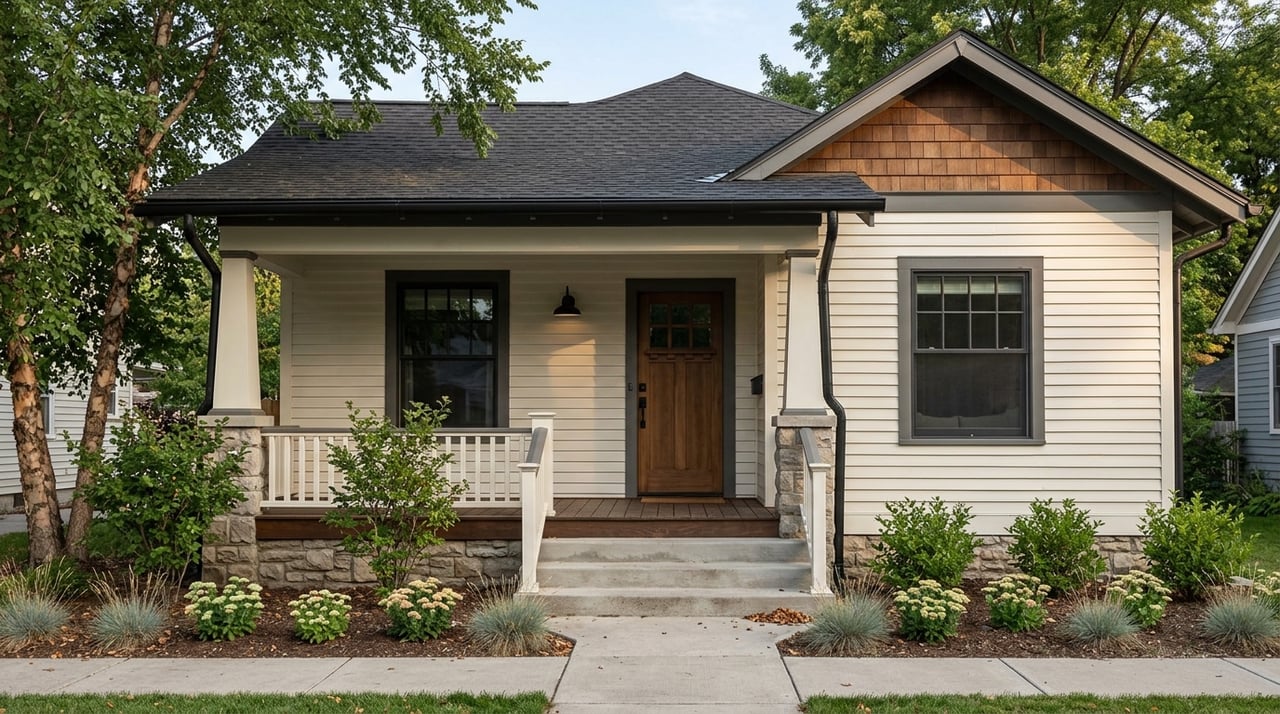
If you are thinking about renovating and reselling a historic home in Livingston, it pays to slow down before you swing a hammer. Older homes can offer real upside, but in a city with deep preservation roots, the best results usually come from planning, documentation, and smart project sequencing. If you want to protect your budget, avoid delays, and position your property well for resale, here is what you need to know before you start.
Why Livingston historic homes matter
Livingston is not a market where older housing is a small side category. The city’s growth policy notes that about 72% of dwelling units were built before 1980, which means renovation decisions affect a large share of the local housing stock. That also helps explain why preservation, permitting, and resale strategy matter so much here.
Livingston’s historic identity is also well established. The city traces its beginnings to 1882 as a Northern Pacific railroad town, became the Park County seat in 1887, and today includes four National Register historic districts: Westside Residential, Eastside Residential, B Street, and Downtown. You can see that local preservation framework reflected in the city’s historic district information and preservation resources.
Know which rules apply
One of the biggest mistakes sellers and investors make is assuming every old home in Livingston has the same renovation rules. That is not the case. The approval path depends on where the property is located, what work you plan to do, and whether exterior changes trigger local review.
If your property is in the Downtown Historic District, exterior and signage changes require Historic Design Review. According to Livingston’s Historic Preservation Commission design review application, that can include painting, facade work, materials, windows, lighting, and other exterior modifications. The commission meets on the second Tuesday of each month, and applications must be submitted 10 days in advance.
That review timing can affect your resale schedule. If you plan to list after a renovation, you want those approval dates, material decisions, and contractor lead times mapped out early instead of discovering them mid-project.
National Register status is not a blanket ban
Many buyers and sellers worry that a historic designation means they cannot make changes. In reality, the Montana State Historic Preservation Office says National Register listing alone does not stop private owners from changing private property when private funds are used. Review is more likely when federal funding, federal permits, or local design guidelines are involved.
That distinction matters in Livingston. A house can be old or historically recognized without automatically facing the same local review process as a downtown facade project. Before you build your budget, confirm exactly which approvals apply to your property and scope of work.
Start with structure and systems
If your goal is resale, the smartest renovation path is usually not the flashiest one. In Livingston, a strong project often starts with the building envelope and hidden systems first, then moves to finishes and visible upgrades.
That means checking the basics such as:
- Roof and drainage
- Foundation and structural concerns
- Siding and exterior condition
- Windows and weather protection
- Electrical systems
- Plumbing systems
- Mechanical or HVAC components
This approach lines up with Livingston’s permitting structure and with SHPO guidance that favors rehabilitation over unnecessary replacement when possible. In practical terms, buyers are more likely to respond well to a home that feels safe, dry, functional, and well maintained than one with trendy finishes covering unresolved issues.
Plan exterior choices early
For historic homes, exterior decisions should not be left until the end. Livingston’s downtown design review packet asks for materials, colors, elevations, photos, and other project details up front. If you are changing windows, siding, paint, trim, lighting, or signage, those selections may need to be finalized before the work begins.
That is important for resale because exterior appearance shapes first impressions. A home that preserves its original scale and character while presenting a clean, coherent finish can be easier for buyers to understand and value. A rushed exterior update, on the other hand, can create delays or undercut the home’s credibility.
Understand permits before demo
Historic-home projects often uncover hidden work, and that can change both cost and timeline. Livingston’s Building Department requires a completed permit application plus plans and specifications, uses the IBC and IRC, and applies a 65% plan review fee for projects over $15,000. Impact fees can also apply if the project increases demand on city systems.
The city also notes that it does not issue electrical, plumbing, or HVAC permits. Those can fall under Montana’s state-level permit process, which is especially important if your renovation includes systems work behind walls or under floors.
Montana requires permits for many types of electrical, plumbing, and mechanical work. You can review the state’s electrical permit requirements before finalizing your scope. For resale, this matters because documented, code-compliant work is easier to explain to buyers and can reduce last-minute transaction stress.
Build your schedule around approvals
A historic renovation timeline in Livingston should be built in the right order. If you are working on a downtown property, design review may need to happen before work starts and before required building permits are issued. Once permits are in place, rough-in work and inspections need to happen before finishes close up walls.
A practical sequence often looks like this:
- Confirm the property’s historic and permit status.
- Finalize design, materials, colors, and exterior details.
- Submit for Historic Preservation Commission review if required.
- Submit building plans and permit applications.
- Complete electrical, plumbing, and mechanical permitting as needed.
- Start structural and systems work.
- Move into exterior and interior finish work.
- Finish final inspections before listing.
If you are renovating to resell on a deadline, this order can help you avoid expensive rework and scheduling gaps.
Watch the numbers on resale
Livingston remains a valuable market, but buyers still compare condition, location, and finish quality closely. According to Zillow’s Livingston home value data, the average home value was $531,831 as of March 31, 2026, down 1.3% year over year. The research also notes a median listing home price of $582,500, average time to sell of 63 days, and 126 active listings.
That kind of market does not automatically reward a home just because it is old or historic. It tends to reward properties that are updated thoughtfully, presented well, and supported by clear documentation. In a market with pricing variation by area and finish level, over-improving or over-personalizing a renovation can be harder to justify than a clean, durable, well-executed rehab.
Preserve character without overdoing it
One of the best lessons from preservation guidance is simple: keep the home believable. SHPO recommends preserving character and avoiding conjectural ornament, which means adding decorative features that are not grounded in the home’s original design.
For resale, that usually translates into a balanced approach:
- Repair original elements when feasible
- Replace in kind when damage is too severe
- Keep proportions and exterior details consistent
- Avoid trend-heavy finishes that may date quickly
- Focus on functionality, coherence, and code compliance
You do not need to freeze a house in time. You do need to make updates in a way that feels intentional and respectful to the home’s existing character.
Grants and tax credits: what actually helps
Funding is another area where confusion is common. Historic rehabilitation tax credits are not a general benefit for every private homeowner planning a single-family resale project. According to SHPO, the federal credit equals 20% of rehab investment and Montana’s credit equals 25% of the federal claim, but those programs apply to income-producing National Register properties, not ordinary private residences.
For some downtown projects, local help may be more relevant. Livingston’s Urban Renewal Agency programs currently include downtown enhancement grants, facade improvement grants, and residential rehabilitation grants, each with its own limits and requirements. If your property and project fit the program guidelines, these resources may be worth reviewing early in your planning process.
Use inspections to reduce surprises
Before you buy a historic home to renovate, inspection quality matters. As of January 1, 2026, Montana requires home inspectors to be licensed. That makes a licensed Montana home inspector the right starting point when you are trying to understand condition, deferred maintenance, and likely repair scope.
For resale-focused buyers, this step can help you make a better acquisition decision. It can also help you prioritize repairs that support value rather than chasing cosmetic work first.
A smart flip is a well-documented one
In Livingston, the best historic resales are rarely the fastest or the flashiest. They are the projects where the owner understood the approval path, respected the home’s character, solved the major systems issues, and kept records along the way.
If you are considering buying, renovating, or selling an older home in Livingston, working with someone who understands both market positioning and renovation realities can save time and reduce risk. To talk through your options with a practical, development-informed perspective, connect with Mark Meissner.
FAQs
Do historic district rules apply to every older house in Livingston?
- No. The current city review process described in the research is tied to Downtown Historic District exterior and signage work, while National Register status alone does not automatically prevent private changes.
Can you use historic tax credits for a single-family flip in Livingston?
- Generally no. The federal and Montana historic rehabilitation tax credits described by SHPO apply to income-producing National Register properties, not ordinary private residences.
What approvals can delay a Livingston historic renovation?
- Depending on the property and scope, delays can come from Historic Preservation Commission review, city building permit review, and separate state electrical, plumbing, or mechanical permits.
What should you renovate first in a Livingston historic home?
- Start with the building envelope and hidden systems, then move to visible finishes and exterior details once you understand permit and design-review requirements.
What kind of inspection is best before buying a historic home in Livingston?
- A licensed Montana home inspector is the best first step for understanding the condition of an older home before purchase.
Are there local grants for downtown Livingston rehab projects?
- Yes. Livingston’s Urban Renewal Agency offers grant programs for certain downtown enhancement, facade improvement, and residential rehabilitation projects, subject to program rules and approvals.