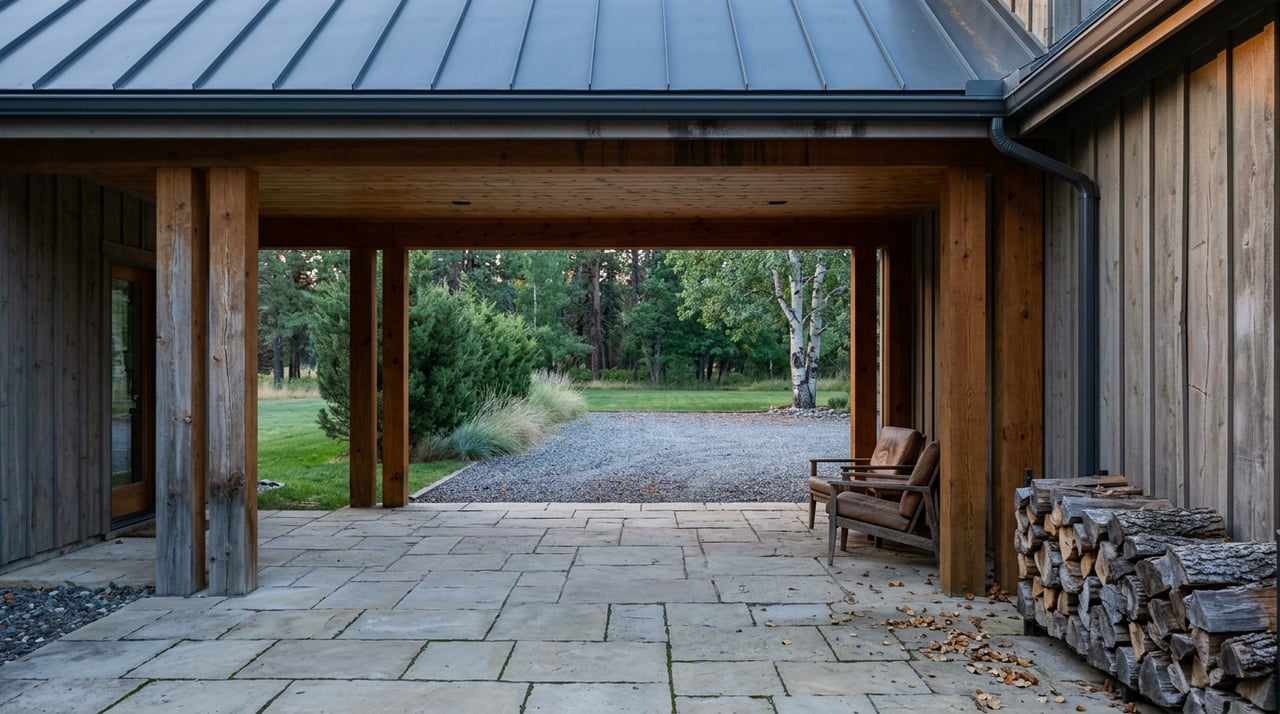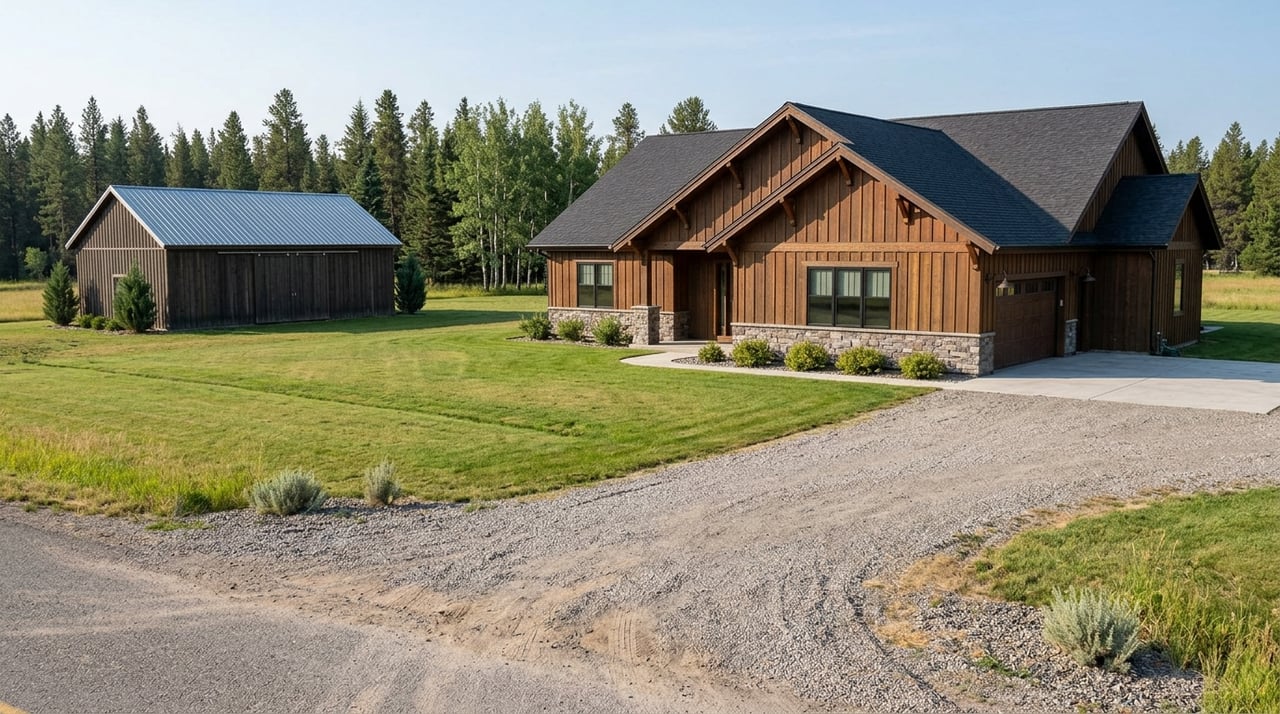
If you are dreaming about a few acres near Manhattan, Montana, it is easy to focus on the view, the elbow room, or the idea of keeping horses and building a shop. But in this part of Gallatin County, the real value of small acreage often comes down to what works on paper and on the ground. If you want to buy confidently, you need to look beyond acreage alone and understand water, soils, permits, and long-term costs. Let’s dive in.
Why Manhattan Small Acreage Appeals
Manhattan sits within a growing part of Gallatin County where fertile farm fields, rural residential tracts, and public land all shape the landscape. According to the Gallatin County long-range plan, development pressure has reduced pasture acres over time, which helps explain why functional small acreage can be especially appealing.
For many buyers, the draw is balance. You can look for a rural setting while staying close to basic town services such as town hall, police, fire, library, public works, and building and zoning functions. Manhattan is also closely tied to the Interstate 90 corridor, supported by MDT traffic data near the Manhattan interchange.
That combination matters when you want land that feels usable day to day, not just attractive in a listing photo. A property can offer space and still keep you connected to services, access routes, and local administration.
Water Comes First
If you take one thing away from your search, let it be this: water is usually the make-or-break issue for small acreage near Manhattan.
In Montana, water belongs to the state, and what you receive is a right to use water. As the Montana DNRC explains, that right can be separate from the land unless it has been transferred or severed differently. New appropriations generally require permitting, and some basins or groundwater areas are closed or controlled.
That matters in Gallatin County because the county resource plan states that the county is a closed basin to appropriative water with some exceptions. The same plan notes there are more than 62 named ditches and canals and that late-season irrigation storage is lacking. For you as a buyer, that means a property with irrigation potential still needs close review of the water source, diversion point, ditch access, delivery timing, and maintenance responsibility.
What to Verify About Water Rights
Before you close, make sure you understand:
- Whether a water right exists
- Whether it transfers with the property
- Whether the right is active and documented
- Whether irrigation depends on a ditch or canal
- Whether there are shared maintenance duties or access obligations
The good news is that water rights can be researched. MSU Extension notes that you can search the DNRC Water Rights Query System by water right number, owner name, or geocode. MSU Extension also advises landowners to contact ditch owners before altering a ditch or using ditch water, which makes water review a core due-diligence step.
Small Acreage Does Not Always Mean Usable Pasture
A few acres can look like a perfect setup for horses, hobby farming, or extra elbow room. In practice, the land may support less than you expect.
The county plan explains that Gallatin Valley soils are often fine-textured alluvial or silty loams, with important agricultural soils formed in calcareous loess. It also notes that valley soils are typically slightly basic, around pH 7.8 to 8.2, and that wind erosion, water erosion, and declining organic matter can reduce water-holding capacity and fertility.
That means acreage alone does not tell you how well the land will perform. Soil condition, forage quality, water access, and how the parcel is laid out all affect whether the property will actually function the way you want.
Livestock Capacity Is Often Overestimated
The county plan warns that pasture acres are shrinking and that smaller horse pastures are often overgrazed, with weeds invading degraded areas. It also says the county has a shortage of summer pasture and winter feeding space.
For you, the practical takeaway is simple: be realistic about how many animals a small tract can support without significant supplementation. A property may still work well, but only if you budget for imported feed, careful grazing management, or improvements to water and fencing.
What Makes Pasture More Functional
The county plan recommends several practices that improve pasture and rangeland use, including:
- Cross-fencing
- Water development
- Improved forage species
- Weed control
- Prescribed grazing
On a small acreage parcel, these details often matter more than the raw number of acres. A property that can be divided into workable paddocks with reliable water and practical winter shelter may outperform a larger tract with poor layout or weak infrastructure.
Fences, Shops, and Barns Need Review
Many buyers assume they can add a barn, shop, coop, arena, or perimeter fence after closing. Near Manhattan, that assumption can create problems if you do not first confirm the governing rules.
Inside the Town of Manhattan, a zoning permit is required before a new building or structure is erected or an existing one is altered, according to the town code. The permit application must show setbacks, utility connections, and other site details, and permits expire after one year if work does not begin.
The town’s forms page also shows the types of approvals buyers may encounter, including building, electrical, and plumbing permits, along with fence permits, conditional use permits, zoning permits, and variance applications. Town code further states that fences or hedges placed in a setback require an approved building permit.
Questions to Ask Before You Buy
If the property is in or near Manhattan, ask early:
- Which jurisdiction governs the parcel
- What zoning district applies
- Whether a barn, shop, arena, or coop is allowed
- Whether setback rules affect your fence or corral plans
- Whether a variance or conditional use permit may be needed
This is where local guidance matters. A parcel may look ideal for your plans, but the best time to confirm permit paths is before you buy, not after.
Budget Beyond the Purchase Price
Small acreage buyers often focus on list price and monthly payment. Those numbers matter, but they are only part of the story.
The USDA 2025 land-values summary puts Montana cropland at $1,320 per acre and U.S. farm real estate at $4,350 per acre. These are statewide benchmarks, not Manhattan-area asking prices, but they show an important principle: agricultural value is usually tied to productivity, not just acreage count.
In other words, a smaller parcel with documented water, usable soils, and workable improvements may offer stronger long-term utility than a larger tract with unresolved constraints.
Know How Property Taxes May Be Treated
Montana’s 2026 property tax information states that qualified agricultural land is taxed at 2.05%, while non-qualified agricultural parcels are taxed much higher on the land. The rules also separate primary residences and long-term rentals from second homes and short-term rentals, and the home plus one-acre homesite is treated separately from the ag land itself.
That means you should confirm whether a tract truly qualifies as agricultural land and how the homesite is handled. If you are planning around future carrying costs, those details can make a meaningful difference.
Some buyers may also qualify for the Property Tax Assistance Program, which can reduce taxes on a primary residence. On agricultural land, the benefit applies to the home and one-acre homesite, but it is income-qualified and should be verified, not assumed.
A Smart Due Diligence Plan
When you buy small acreage near Manhattan, your best protection is a disciplined review process. You are not just buying land area. You are buying a set of legal rights, physical conditions, and future options.
A practical due-diligence plan should include the following:
- Review recorded deeds, plats, easements, and liens through the Gallatin County Clerk & Recorder records.
- Confirm the water right, transfer status, and any ditch access or maintenance obligations.
- Ask the town or county which zoning district governs the parcel and what permit path applies.
- Evaluate how the land will function in real life, including fencing, pasture health, winter use, and water delivery.
- Budget for ongoing costs such as feed, fencing repairs, weed control, and possible infrastructure upgrades.
The common thread is function. In the Manhattan area, long-term value is often strongest where water is documented, soils are workable, improvements are permitted, and the property can operate without constant extra cost or guesswork.
How Local Guidance Helps
Small acreage purchases can feel straightforward at first because the lifestyle vision is easy to picture. The hard part is understanding which parcel truly supports that vision once you account for water rights, land use, taxes, and practical improvements.
That is where experienced local guidance can save you time and reduce risk. When you work with someone who understands both the market and the technical side of land, you can ask better questions early and move forward with more confidence.
If you are considering buying small acreage near Manhattan, Mark Meissner can help you evaluate not just the listing, but how the property may function over time. Start the conversation if you want clear, practical guidance for your Bozeman-area purchase.
FAQs
What should you check first when buying small acreage near Manhattan, Montana?
- Start with water rights, transferability, and irrigation access, because water is often the biggest factor in whether the property will function as intended.
How do water rights work for Manhattan-area land purchases?
- In Montana, the state owns the water and property owners receive a right to use it, so you should confirm whether any water right exists, whether it transfers with the property, and whether ditch obligations apply.
Can you build a barn or fence on acreage near Manhattan, Montana?
- It depends on the parcel’s jurisdiction and zoning, and inside the Town of Manhattan certain structures, fences, and setback situations may require permits or additional approvals.
Is a few acres enough for horses or livestock near Manhattan?
- Sometimes, but small tracts often support fewer animals than buyers expect because pasture quality, water access, winter feeding space, and grazing management all affect carrying capacity.
How are property taxes handled on small acreage in Montana?
- Tax treatment depends in part on whether the land qualifies as agricultural land, while the home and one-acre homesite are handled separately under Montana’s current property tax structure.
Why does usable small acreage cost more than raw acreage suggests?
- Properties with documented water, workable soils, permit-friendly improvements, and practical layouts often provide stronger long-term utility and may be more valuable than acreage totals alone suggest.