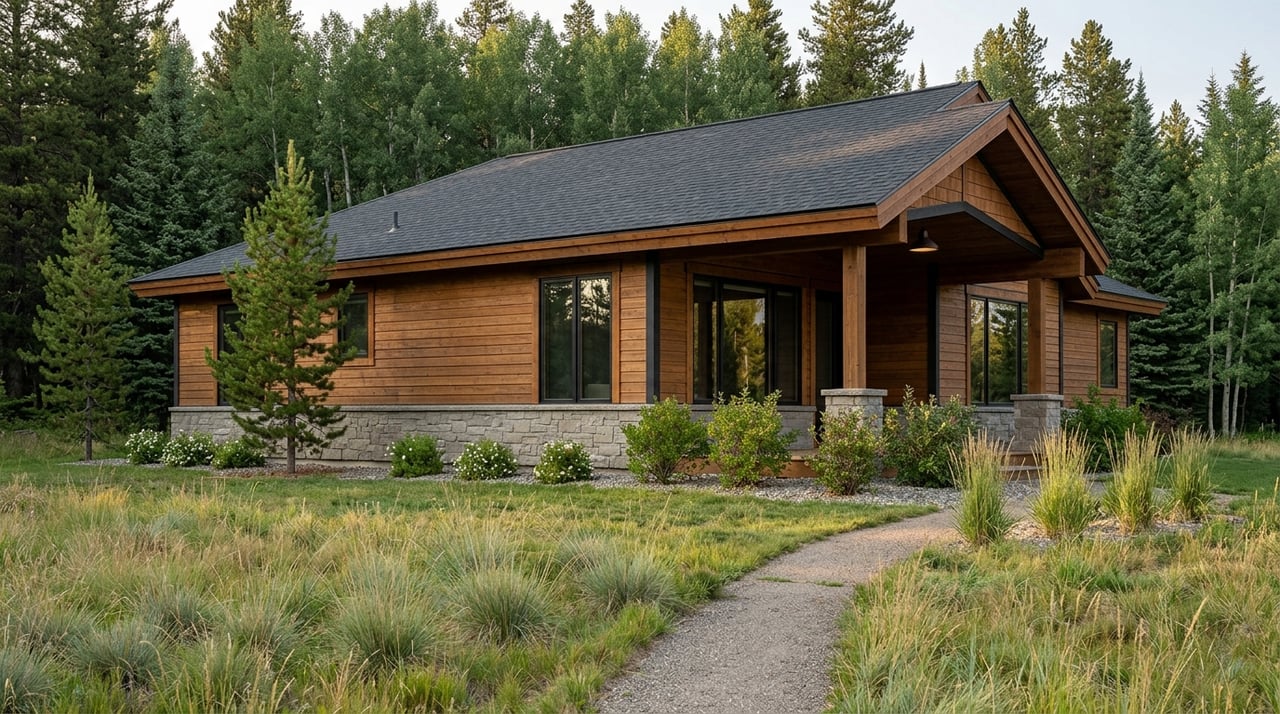
If you are looking at land or a cabin site in Bridger Canyon, the view is only part of the story. What you can actually build often depends on zoning, slope, watercourse buffers, and wildlife protections that are tied to the specific parcel, not just the address. Understanding those limits early can save you time, money, and disappointment, so let’s walk through what matters most.
Parcel Zoning Comes First
In Bridger Canyon, the first step is not guessing based on location or road frontage. Gallatin County directs property owners and buyers to confirm the exact zoning district and sub-district with the county’s zoning tools, and the official zoning map on file with the county clerk and recorder controls the designation. You can review the county’s Bridger Canyon zoning regulation for the governing standards.
That matters because two parcels with similar views or the same mailing area may not have the same rules. Parcels along Bridger Canyon Road, Kelly Canyon Road, Jackson Creek Road, and areas near the base zone can fall into different districts with different development standards.
Why Parcel Details Matter
The district’s stated purpose helps explain why the rules are so specific. Bridger Canyon zoning is designed to preserve rural character, scenic resources, fish and wildlife habitat, water quality, and property values.
For you as a buyer or landowner, that means the best parcel is not always the one that looks easiest to build on at first glance. The real question is whether the lot can support a legal building site after all district rules are applied.
Core Building Limits to Know
For many buyers, the main standards come from the Agriculture Exclusive and Recreation and Forestry districts. In both of these core residential districts, the minimum parcel size is 40 acres.
The standard setbacks are also important:
- 25 feet from property lines
- 125 feet from public road rights-of-way or road easements
- 150 feet from the ordinary high-water mark of a watercourse
The watercourse setback is especially important because it can only be reduced through an approved Watercourse Mitigation Plan under the county rules in the Bridger Canyon regulation.
Height Rules Affect Design
Building height is not one-size-fits-all. In general, height is limited to 35 feet for steeper roof pitches and 25 feet for flatter roofs.
That can shape the kind of home design that works on a parcel. If you are planning a custom build, roof form and site placement may affect whether a concept fits the zoning envelope.
Dwelling and ADU Limits
A qualifying parcel is generally limited to:
- One principal single-family dwelling
- One accessory dwelling unit
The accessory dwelling unit can be within the main home or in a separate accessory structure. However, it cannot exceed 1,200 square feet, must share the electrical meter and driveway with the main home, and cannot be sold or rented separately under the district rules.
Accessory Building Limits
Accessory buildings up to 2,400 square feet are generally allowed by right. Larger accessory buildings require a conditional use permit.
This is one of the places where buyers can make costly assumptions. A large shop, barn, or extra structure may be possible, but not always by default.
Siting Rules Can Shrink a Build Area
Some of the most important limitations in Bridger Canyon are not about acreage alone. They are about where improvements can actually go on the land.
According to the county regulation, roads and driveways may not be placed on cross slopes above 30 percent, and buildings may not be located on slopes above 30 percent. If a parcel has steep terrain, that rule can narrow your options fast.
Ridgeline Protection Matters
Bridger Canyon uses ridgeline standards to protect scenic views from arterial roads. No part of a building may break the ridgeline silhouette as seen from an arterial road, according to the district standards.
In practical terms, a homesite may need to sit farther down the slope or in a less visible area than you expected. A lot with strong visual appeal can still have a limited building envelope once ridgeline rules are considered.
Other Site Design Requirements
The zoning regulation also includes design and operational standards that affect everyday use of the property. Dwellings must be on permanent foundations, exterior lighting must be shielded, all-night lighting is limited, and refuse storage must be animal-proof.
These standards are part of how the area balances residential use with rural conditions, wildlife movement, and scenic character.
Wildlife and Water Protections Shape Development
Wildlife is not just a background feature in Bridger Canyon. It is part of how land is reviewed and planned.
Under Gallatin County’s subdivision regulations, new subdivisions must minimize impacts to agriculture, the natural environment, wildlife, wildlife habitat, and public health and safety. Applications must identify critical wildlife areas such as big game winter range or wetlands, describe mitigation measures, and address recommendations from Montana Fish, Wildlife and Parks.
What the County Reviews
Wildlife review can include issues such as:
- Habitat fragmentation
- Barriers to wildlife movement and migration
- Fencing impacts
- Road and traffic effects
- Light pollution
For a buyer, this means wildlife considerations can influence future improvement plans, even if the parcel itself feels private or already accessible.
Watercourses and Wetlands Add Another Layer
Water and wetland protections can also shape what is buildable. Under county subdivision rules, land in the 100-year floodplain may be used for open space, wildlife habitat, recreation, or parkland, but a proposed lot still needs a designated building site outside the floodplain with safe access.
In Bridger Canyon zoning, native vegetation within 100 feet of a watercourse or wetland boundary must be retained. Any deviation from the 150-foot watercourse setback requires a mitigation plan and county approval.
Wildlife Movement Is a Real Corridor Issue
Regional planning reinforces how active wildlife movement is in the canyon. The Montana Department of Transportation’s Bridger Canyon Corridor Planning Study found elk frequently crossing MT 86 in winter in the Kelly Canyon area and near the Bridger Canyon Spur and Jackson Creek Road intersections.
The same study documents deer, moose, black bear, and mountain lion in the corridor. It recommends tools such as wildlife crossing structures, fencing modifications, and signage where future transportation improvements are pursued.
For you, that does not mean a parcel is less desirable. It means site planning and access should be evaluated with a clear understanding of how the landscape functions.
Temporary Living During Construction
Some buyers want to know whether they can live on-site while building. In Bridger Canyon, temporary on-site living may be allowed for up to one year while a principal single-family dwelling is under construction, but only with an approved land-use permit.
The property must also meet bear-proof site conditions and have water and sewage systems installed in compliance with state and county health requirements. This is another area where early planning matters.
How These Rules Affect Value and Resale
A large parcel does not automatically mean easy development or stronger resale. In Bridger Canyon, value often comes from whether a parcel can support a practical, legal, and well-sited building envelope after setbacks, slope limits, water protections, and ridgeline rules are applied.
That framework is part of a broader conservation culture in Gallatin County. The county’s open lands program reports 66 closed conservation easements covering nearly 58,000 acres countywide, with goals that include protecting ranches, farms, wildlife habitat, streams, and scenic mountain vistas.
Conservation and Property Value
That kind of long-term landscape stability can matter to buyers. Research cited in the Journal of Forestry suggests that permanently preserved open space and conservation easements often support nearby home values, especially when the conserved land is close and the open-space setting is stable.
At the same time, restrictions on the parcel itself can reduce value if they limit future development potential. The USDA Montana conservation easement guide notes that easements may reduce market value to the extent they restrict future developed use, even though nearby protected land can benefit surrounding properties.
Smart Due Diligence for Buyers
If you are considering Bridger Canyon land, due diligence should happen before you commit to a design or assume future flexibility. The county’s zoning guide points buyers toward verifying the exact district first, then reviewing the matching standards.
A practical review sequence looks like this:
- Confirm the exact zoning district and sub-district for the parcel.
- Read the applicable district standards carefully.
- Evaluate setbacks, slope constraints, watercourse buffers, and ridgeline impacts.
- Check for conservation easements, subdivision conditions, or other recorded restrictions.
- Review whether your intended home, ADU, driveway, and accessory structures fit within the legal build area.
This is where technical guidance can make a real difference. A parcel that looks straightforward online may have a very different story once the actual build envelope is tested.
A Local, Practical Way to Evaluate Land
In a place like Bridger Canyon, land buying is rarely just about scenery or acreage. It is about matching your goals to what the parcel can legally and practically support.
That is why a clear, parcel-by-parcel review matters so much. If you want help evaluating land, building potential, or resale considerations in the Bozeman area, Mark Meissner offers practical guidance grounded in local market knowledge and real development experience.
FAQs
What zoning rules matter most for a Bridger Canyon parcel?
- The most important starting point is the parcel’s exact zoning district and sub-district, because setbacks, uses, and building standards depend on the official county designation.
What are the main building setbacks in Bridger Canyon?
- In the Agriculture Exclusive and Recreation and Forestry districts, key setbacks are generally 25 feet from property lines, 125 feet from public road rights-of-way or road easements, and 150 feet from a watercourse.
Can you build an ADU on land in Bridger Canyon?
- In general, a qualifying parcel may have one principal single-family dwelling and one accessory dwelling unit, but the ADU cannot exceed 1,200 square feet and cannot be sold or rented separately.
How do wildlife protections affect building in Bridger Canyon?
- Wildlife protections can affect site planning, access, lighting, fencing, and subdivision review, especially where parcels involve habitat areas, migration routes, wetlands, or other sensitive features.
Can steep slopes limit where you build in Bridger Canyon?
- Yes. Buildings cannot be placed on slopes above 30 percent, and roads or driveways may not be placed on cross slopes above 30 percent under the district standards.
Do conservation easements affect Bridger Canyon property value?
- They can. Protected open space nearby may support surrounding property values, while an easement on the parcel itself may reduce value if it limits future development potential.