You found your dream parcel in Paradise Valley. Now comes the part that turns vision into a home: getting clear on water, septic, zoning, floodplain rules, and permits. Building here is absolutely doable when you follow a smart sequence. In this guide, you’ll learn the key steps, timelines, and local checkpoints that keep your project moving and your budget on track. Let’s dive in.
Pre-purchase due diligence
Before you write an offer, verify what you can build, where, and how you will service the home. A few early calls and records searches can save months later.
Confirm legal access and road status
Legal access is essential. Look for deeded easements or recorded rights-of-way on the title commitment and plats. Ask whether the road is county maintained or private. If it is private, a road maintenance agreement is often needed. You can start with the County’s Planning resources to confirm zoning and application pathways through the Park County Planning Department.
Check water rights and nearby wells
Groundwater is common for domestic supply in Paradise Valley. Search the DNRC’s Water Rights Query to see if any water rights are associated with the parcel or neighboring wells through the DNRC Water Resources portal. Pull nearby well logs to estimate likely depth, yield, and aquifer type using the MBMG/GWIC guide on how to look up well logs. If you see irrigation ditches, springs, or recorded irrigation rights, expect added siting constraints for wells and septic.
Map flood risk and drainage
The Yellowstone River and its tributaries create both incredible scenery and serious flood dynamics. Use FEMA’s Flood Map Service Center to find the correct panel and zone for the parcel on the FEMA MSC site. Then connect with Park County’s Floodplain Program for permit triggers, base flood elevations, and recent map updates.
Estimate utilities and site work
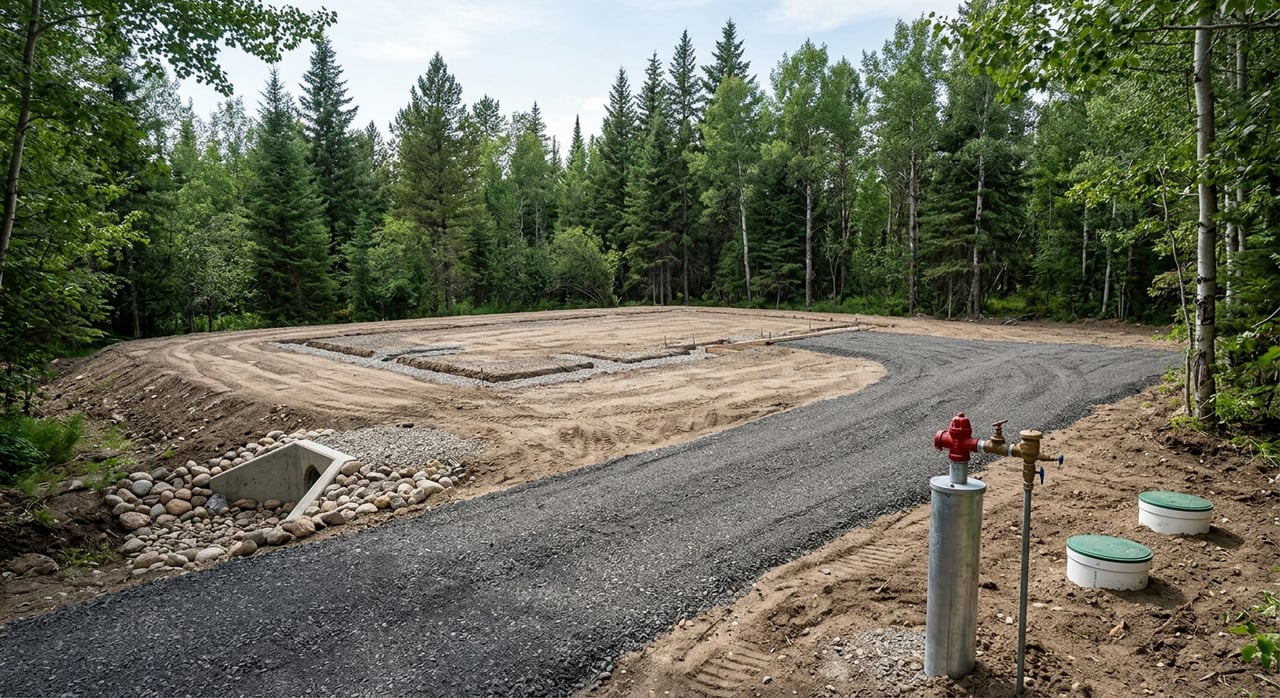
Confirm how you will bring in electricity, communications, and propane delivery. If lines must cross other parcels, additional easements may be required. Get early numbers on driveway construction, grading, and culverts, since these costs can shift siting decisions.
Secure your water source
Montana allows most domestic wells to proceed under the “exempt well” pathway if they pump 35 gallons per minute or less and use no more than 10 acre-feet per year. Starting January 1, 2026, you must file a Notice of Intent for a new exempt well. The DNRC will authorize or deny a correct and complete NOI within 10 business days. If denied, you will need a full water right permit. Review the latest rules and timing on the DNRC exempt well updates page.
How to research water on a parcel
- Search for existing rights: Use the DNRC Water Resources portal to check for recorded rights tied to the property and nearby wells.
- Review well logs: Use MBMG’s GWIC tools to see drilling depth, static water level, and aquifer notes via the GWIC lookup guide.
- File the NOI early: If you plan to drill an exempt domestic well, submit your NOI to DNRC before major site work. The 10-business-day authorization or denial helps you avoid costly rework.
Typical well timeline
- Records search with WRQS and GWIC: 1 to 3 business days if records are available online.
- DNRC NOI authorization window: Up to 10 business days once the NOI is filed and complete.
- Drilling, testing, and lab results: Scheduling varies by season; drilling may take days to a few weeks. Pump testing and potability labs generally add 1 to 4 weeks. Hire a licensed Montana well driller.
Paradise Valley aquifers vary with geology and proximity to rivers and tributaries. For yield patterns and groundwater behavior, consult MBMG’s regional work, including the MBMG 680 report.
Plan your septic system early
Park County administers onsite wastewater permits and enforces Montana DEQ standards. A site evaluation is required before permitting, and septic permits for new systems expire if the system is not installed, inspected, and approved within two years. You can review local requirements in the Park County septic regulations, which incorporate DEQ’s Circular DEQ-4 standards referenced in the state’s On-Site Wastewater Manual.
Steps and timing for septic
- Schedule a licensed site evaluator or engineer. They will dig test holes, profile soils, and complete any required non-degradation analysis.
- Submit your permit application and pay fees. Review times vary by season and complexity. A couple of weeks to 1 to 2 months is a common range in Montana.
- Install under a licensed installer and schedule County inspections before backfill. Final approval follows a compliant inspection.
Design constraints to watch
- Minimum vertical separation to high groundwater and bedrock is required. Shallow soils may push you to a mound, drip, or other engineered alternative.
- Lots planning multiple systems must show a replacement area where applicable under County rules.
Getting a soils profile before you finalize your house plans helps you choose the right system type and footprint, which can protect your budget.
Zoning, floodplain, and permits in Paradise Valley
The Paradise Valley Zoning District regulates density, setbacks, and building approvals. A County zoning compliance permit is required before construction, and the County ties issuance to having a valid septic permit and any other required approvals. The PVZD includes density limits, such as one primary residential unit per 20 acres. Review the current text in the PVZD regulations.
Park County also manages floodplain development under NFIP rules. Work in or near a mapped floodplain can require a floodplain permit and engineered documentation. Start with the Park County Floodplain Program and confirm your parcel’s FEMA panel using the FEMA MSC.
Permit sequencing to plan for
- Septic permit first. Park County requires a valid septic permit prior to issuing zoning compliance in the PVZD.
- Zoning compliance permit next. The permit can be void if construction does not start within six months. Check with the County about extensions.
- Floodplain permitting in parallel. If your parcel is in or near the 100-year floodplain, coordinate floodplain review before site grading or foundation work.
Setback distances in PVZD are measured from property lines to structures and features like waterways and ditches. Always cross-check your exact parcel’s FEMA data, any recorded buffers, and PVZD provisions before finalizing siting.
A realistic timeline and budget plan
Your path from purchase to breaking ground will depend on season, contractor availability, and whether your lot triggers floodplain or special approvals. Here is a typical best-case sequence.
- Pre-purchase records review: 1 to 3 weeks for title, zoning lookups, FEMA panel, and DNRC and GWIC searches, assuming online records are available.
- Exempt well NOI: DNRC reviews a correct and complete NOI within 10 business days. A full water right permit, if required, can take many months.
- Septic site evaluation and permit: Commonly 2 to 8 weeks. Engineered alternatives or non-degradation reviews add time. Permits expire after two years if not installed and approved.
- Zoning and building reviews: Simple projects can clear in weeks. Full residential builds often take several weeks to a few months through County review. Conditional uses or variances add public hearing schedules.
- Site work and construction: Driveway, well, septic, and foundation often take 1 to 3 months depending on weather. A full home build commonly takes 6 to 12 months or more depending on scope.
Bottom line: plan for several months in straightforward cases, and up to a year or more if your property requires water-right permits, floodplain review, or hearings.
Quick buyer checklist
- Pull zoning, title commitments, plats, and covenants. Confirm access and any easements through County and title records.
- Check water early. Search DNRC water rights and GWIC well logs. If planning a private well, file the DNRC NOI before major site work.
- Schedule your septic site evaluation as soon as possible and use the results to guide house placement.
- Confirm FEMA flood zones and talk with the County Floodplain Program about permit triggers and documentation.
- Call Park County Planning and Environmental Health for parcel file notes, PVZD requirements, and current processing times. Keep a log of names and file numbers for follow-up.
Work with a local guide
Building on land in Paradise Valley rewards solid planning. If you want a clear path from due diligence to move-in, partner with a professional who blends brokerage with practical development know-how. With a background in construction project management and a calm, solutions-first approach, Mark Meissner helps you coordinate the moving parts, set realistic timelines, and make confident decisions from day one.
FAQs
What is an exempt well in Montana and how does it affect building in Paradise Valley?
- An exempt well serves most domestic uses when pumping 35 gpm or less and no more than 10 acre-feet per year, and starting January 1, 2026 you must file a DNRC Notice of Intent that is authorized or denied within 10 business days.
How do I check if a Paradise Valley lot is in a FEMA floodplain?
- Look up the parcel’s FEMA panel and flood zone on the FEMA Flood Map Service Center, then confirm requirements with Park County’s Floodplain Program before site work.
What are the key septic rules for Park County lots in Paradise Valley?
- Park County enforces DEQ standards, requires a site evaluation and permit before installation, and new-system permits expire if not installed, inspected, and approved within two years.
What density limits apply under the Paradise Valley Zoning District?
- The PVZD includes a limit of one primary residential unit per 20 acres, along with other standards that can affect siting and subdivision options.
In what order should I get permits for a new home in Paradise Valley?
- Typically secure the septic permit first, then apply for the zoning compliance permit, and address floodplain permitting in parallel when the parcel is in or near the mapped floodplain.