If you want top-dollar attention for your Bozeman home, listing it before it is truly ready can cost you. In a market where buyers have more choices and homes are taking longer to sell than they did during the pandemic surge, preparation matters. The good news is that you do not need to guess your way through it. With the right plan, you can improve presentation, reduce avoidable surprises, and launch with more confidence. Let’s dive in.
Why prep matters in Bozeman
Bozeman remains a high-priced market, but current data suggests buyers have more room to compare options. Realtor.com’s March 2026 snapshot shows a median listing price of $779,000, 749 homes for sale, 54 median days on market, and a 97% sale-to-list ratio. Redfin’s March 2026 tracker shows a median sale price of $667,500 and 71 days on market.
The exact numbers differ because the sources measure different things, but the takeaway is the same. Buyers are not moving as fast as they were a few years ago, and homes that feel unfinished or overpriced can lose momentum. That makes thoughtful prep one of the most practical ways to strengthen your position before you hit the market.
Time your prep around Bozeman seasons
In Bozeman, weather affects both curb appeal and timing. NOAA climate normals show that winter and early spring can still bring snow, with January averaging 12.7 inches of snowfall, April 12.9 inches, and May 3.6 inches before dropping to 0.8 inches in June. That means yards, driveways, exterior paint, and landscaping may not show at their best until later in spring.
At the same time, local days-on-market patterns suggest spring and early summer tend to move faster than winter. Recent FRED data sourced from Realtor.com shows median days on market in Bozeman were 101 in January 2025, 88 in February, 68 in March, 52 in April, 51 in May, 49 in June, and 52 in July. For many sellers, the smart move is to finish prep before the spring rush starts, rather than scrambling once buyers are already out touring homes.
Start 6 to 8 weeks early
The best listing prep usually starts earlier than people expect. If you wait until you want photos, you may find yourself rushing repairs, cleaning, and paperwork all at once. A 6 to 8 week runway gives you time to make better decisions and avoid last-minute stress.
This also gives you space to separate true must-dos from lower-value projects. In a buyer-leaning market, you want to focus on the work that improves trust, function, and first impressions.
Walk your home like a buyer
Start with a full room-by-room walkthrough of your home. Bring a notebook and look for visible wear, maintenance concerns, and anything a buyer might flag during a showing or inspection. Try to see the property as if you were visiting it for the first time.
A helpful way to organize your list is to use three buckets:
- Safety and compliance issues
- Likely inspection concerns
- Cosmetic presentation items
That approach fits well with Montana’s seller disclosure rules. Montana law requires sellers of residential real property to disclose adverse material facts actually known by the seller, including issues related to water intrusion, roof, foundation, plumbing, electrical, heating, windows, doors, appliances, hazards or pests, drainage or standing water, and whether the property has been tested or treated for items such as radon, lead-based paint, or mold.
Review disclosures early
Many sellers think disclosures come later, but reviewing them early can help guide your prep. Montana’s disclosure framework is a practical reminder that listing preparation is not just about making your home look attractive. It is also about identifying issues that could affect negotiations once a buyer is under contract.
If you already know about a leak, moisture issue, sticking window, aging appliance, or past alteration, bring that into the prep conversation early. It is often easier to fix, document, or plan around these items before your home is live on the market.
Prioritize the right repairs first
Once you have your list, start with repairs that are relatively affordable but remove real friction. In many homes, that means fixing active leaks, tightening loose handrails, replacing burned-out bulbs, correcting doors and windows that do not operate properly, securing loose trim, and addressing visible water staining or moisture concerns.
These items matter because they connect directly to the kinds of conditions buyers notice right away. They also line up with Montana disclosure categories involving water intrusion, structural systems, and mechanical or utility issues. Small repairs can make a home feel cared for and reduce the chances of avoidable inspection objections.
Be careful with older homes
If your home was built before 1978, pause before starting any paint or surface project that disturbs old materials. Federal lead disclosure rules apply to most housing built before 1978, and renovation, repair, or painting work that disturbs lead-based paint can create dangerous dust. That means a simple cosmetic update may not be an ideal DIY project in an older home.
If you are unsure, it is wise to slow down and make sure the work is handled appropriately. This can help you avoid safety concerns and prevent project delays right before listing.
Consider radon before buyers do
Radon is another issue worth thinking about before your home goes live. Montana DEQ says radon can occur in every state and that the only way to know a home’s level is to test. Montana’s seller disclosure law also specifically asks whether the property has been tested or treated for radon gas.
If your home has a basement or lower-level living area, or if you have never tested before, a pre-listing test may help you get ahead of a buyer concern. Even if no issue is found, having that information early can make your sale process smoother.
Check permits before doing larger work
If your prep list includes structural, electrical, plumbing, or substantial alteration work, verify whether permits are required before starting. The City of Bozeman states that no work may begin or continue without a valid building permit on site, and it warns that penalty fees may apply if work is completed without one.
This is especially important if you have finished a basement, added a bathroom, changed windows, or modified a deck, garage, or accessory structure over time. Montana’s seller disclosure rules also require sellers to state whether substantial additions or alterations were made without a building permit. Even when work appears solid, missing documentation can create unnecessary friction during the sale.
Focus staging where it counts
You do not need to stage every square foot of your home to make a strong impression. NAR’s 2025 staging research found that staging helped many buyers envision a home as their future residence. It also reported that 29% of agents said staged homes received a 1% to 10% increase in the dollar value offered, while 49% of sellers’ agents saw shorter time on market.
The most commonly staged rooms were the living room, primary bedroom, dining room, and kitchen. If your budget is limited, these are usually the best places to focus. In most Bozeman homes, strong presentation in the main living spaces matters more than trying to perfect every secondary room.
Declutter, depersonalize, and clean
Staging is not only about furniture. NAR defines it more broadly as cleaning, decluttering, repairing, depersonalizing, and updating. For many sellers, this is where the biggest visual improvement happens.
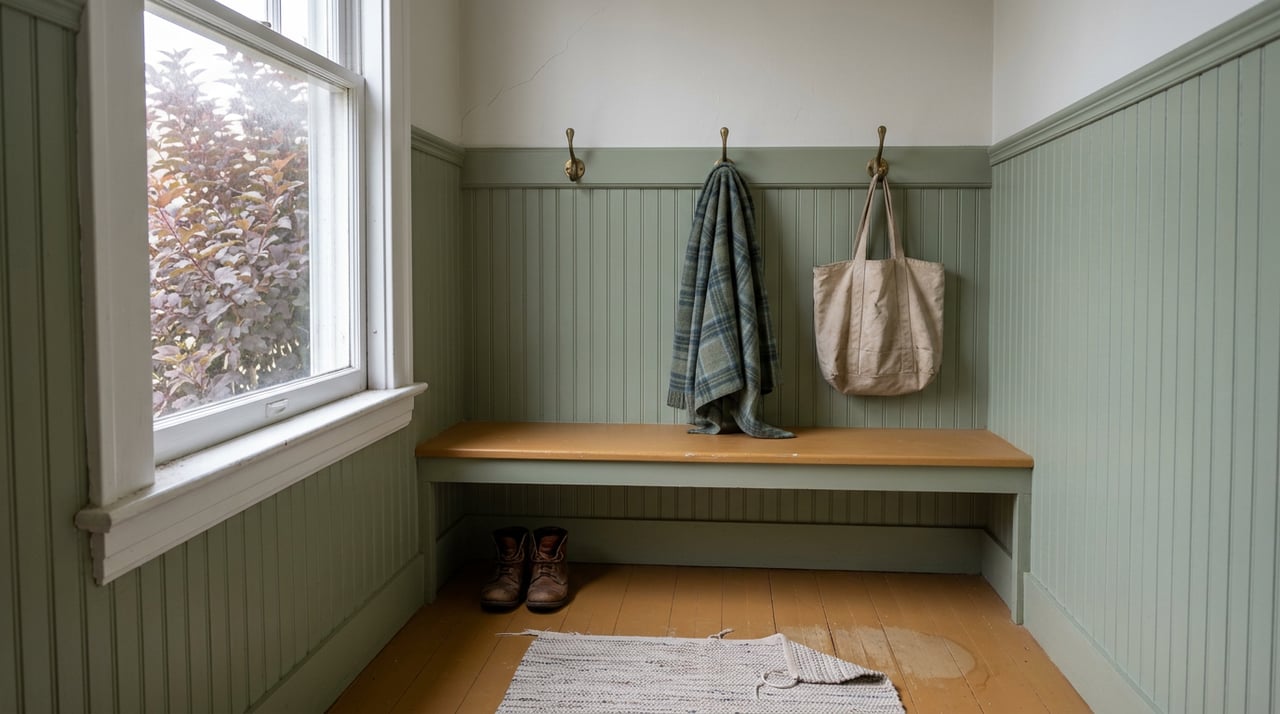
Start by removing excess items from counters, shelves, entry areas, and floors. Pack away highly personal decor, organize closets, and simplify storage areas so they feel easy to use. The goal is to help buyers focus on the home itself, not on your belongings.
A deep clean is just as important. NAR’s research says decluttering, cleaning the entire home, and improving curb appeal are among the most common improvement recommendations from agents. Clean glass, fresh-smelling rooms, and consistent lighting can make a home feel more polished the moment a buyer walks in.
Improve curb appeal for Bozeman conditions
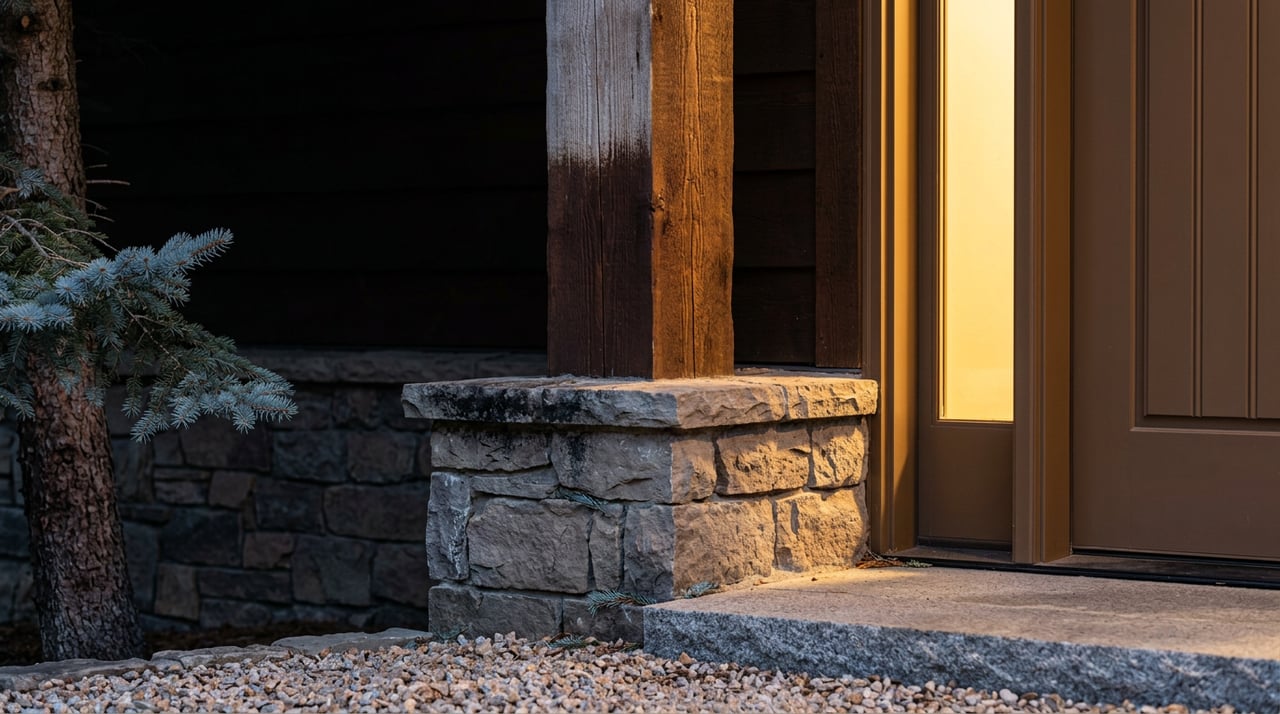
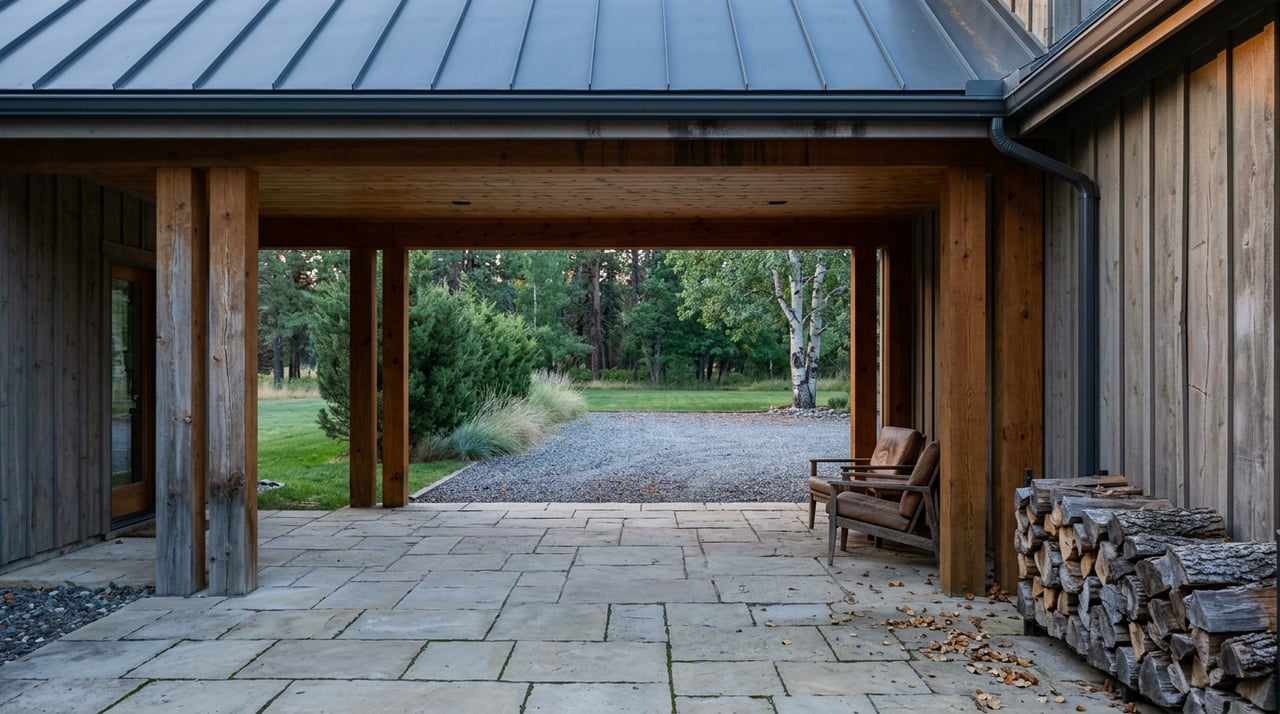
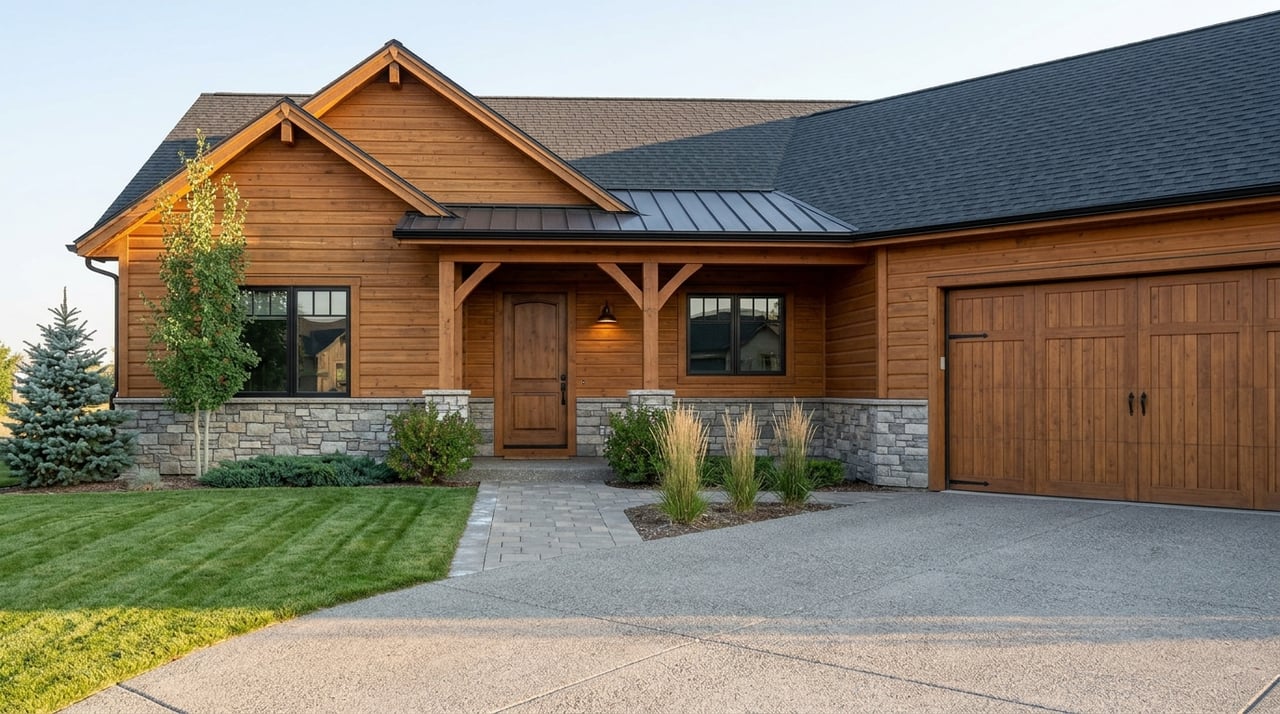
In Bozeman, exterior prep often depends on the season. Snow, mud, and freeze-thaw wear can linger well into spring, so your outdoor checklist may need to be practical before it becomes pretty. Start with cleanup, safe walkways, and a tidy entry.
If weather allows, focus on trimmed landscaping, swept hard surfaces, working exterior lights, and a clean front door area. Even modest exterior improvements can help buyers feel positive before they step inside.
Avoid these common pre-list mistakes
Not every project adds value right before a sale. In fact, some projects can hurt your launch if they create mess, delays, or an unfinished look.
Try to avoid:
- Starting major projects too close to list date
- Taking on permit-sensitive work without checking requirements
- Using overly personal decor choices for staging
- Spending heavily on low-visibility rooms instead of main living areas
- Leaving small functional issues unresolved because they seem minor
In a market where median time on market is running about 54 to 71 days depending on the source, first impressions still matter. If buyers see visible project fatigue, deferred maintenance, or clutter, they may move on to the next option.
Use a simple listing prep timeline
If you want a practical roadmap, this sequence works well for many Bozeman sellers:
6 to 8 weeks before listing
- Walk the home room by room
- Start your disclosure review
- Make a repair and maintenance checklist
- Separate issues into safety, inspection, and cosmetic items
4 to 6 weeks before listing
- Complete high-priority repairs
- Address moisture or water-related concerns
- Test for radon if appropriate
- Gather records for past work and updates
2 to 4 weeks before listing
- Verify permits for any substantial work
- Finish documentation for additions or alterations
- Begin decluttering and depersonalizing
- Plan photo-ready staging in the main rooms
1 to 2 weeks before listing
- Deep clean the entire home
- Finish staging touches
- Refresh entry and curb appeal
- Replace bulbs and check lighting consistency
Launch week
- Remove pet items and personal clutter
- Clean smudged glass and mirrors
- Check for odors
- Do one last full walk-through before photos and showings
A well-prepared home builds buyer confidence
The goal of listing prep is not perfection. It is clarity, trust, and presentation. In Bozeman’s current market, buyers are comparing more carefully, and the homes that feel well-maintained and well-presented are often easier to understand and easier to act on.
That is why the best prep plan usually follows a simple order: walkthrough and disclosure review first, repairs second, staging third, photography and launch last. When you follow that sequence, you give yourself a better chance to reduce surprises and put your home in its strongest position from day one.
If you are getting ready to sell in Bozeman or anywhere in Gallatin County, working with an agent who understands both market timing and the technical side of property prep can make the process a lot smoother. Mark Meissner offers practical, locally grounded guidance to help you prepare, position, and launch your sale with confidence.
FAQs
How early should you start preparing a Bozeman home to list?
- A good rule of thumb is to start 6 to 8 weeks before your target list date so you have time for repairs, paperwork, cleaning, staging, and photos.
What repairs matter most before listing a home in Bozeman?
- Focus first on visible and functional issues such as leaks, moisture concerns, loose handrails, burned-out bulbs, sticking doors or windows, loose trim, and obvious signs of deferred maintenance.
What disclosures do Montana home sellers need to think about before listing?
- Montana sellers must disclose adverse material facts actually known to them, including issues involving water intrusion, major systems, hazards or pests, drainage, and whether the property has been tested or treated for items such as radon or lead-based paint.
Should you test a Bozeman home for radon before listing?
- If your home has a basement or lower-level living area, or if you have never tested before, a pre-listing radon test can help you address the issue before buyers raise it.
Do you need permits for home improvements before listing in Bozeman?
- If work involves structural, electrical, plumbing, or substantial alterations, you should verify permit requirements with the City of Bozeman before starting, since missing permits can create complications during a sale.
What rooms should you stage before selling a Bozeman home?
- If your budget is limited, prioritize the living room, primary bedroom, dining room, and kitchen, since those areas are commonly staged and often carry the most visual weight for buyers.