Thinking about buying or selling in Livingston, but unsure when to make your move? In Park County, seasons shape everything from buyer traffic to how your home shows. With tourism, weather, and local hazards in the mix, timing can impact your price, pace, and peace of mind. This guide breaks down Livingston’s market by season, along with checklists and local insights to help you plan with confidence. Let’s dive in.
How seasons shape Livingston real estate
Spring through early summer usually brings the most listings and showings. Fall often brings a smaller but serious group of buyers who want to move before winter or wrap up before year end. Winter activity is lowest, but the buyers and sellers who stay active are often highly motivated. These broad patterns apply across Montana, and in Livingston they are influenced by tourism, recreation, and weather.
Summer visitor traffic tied to Yellowstone and river recreation tends to lift interest from second‑home and investment buyers. Late fall and winter can offer more negotiating room for buyers and focused opportunities for sellers who price and present well. Your best timing depends on your goals, property type, and how you plan to leverage seasonal conditions.
Spring: March to June
What to expect
Spring is typically peak listing season with high buyer activity. Homes can attract multiple offers and shorter days on market. Daylight and early green‑up help your property show at its best.
Pros for sellers
- Strong price performance and solid showing activity.
- Great curb appeal and photography conditions.
- Buyers motivated to close before summer.
Pros for buyers
- The widest selection of homes.
- Potential to find motivated sellers who want a quick, clean deal.
Considerations
Competition is intense. Pricing and presentation must be spot‑on, since many new listings hit the market at once.
Seller checklist
- Complete spring maintenance: roof and gutter checks, HVAC service, septic evaluation.
- Refresh landscaping and add simple flowering plants for curb appeal.
- Schedule professional photos early and consider a pre‑listing inspection.
Buyer checklist
- Secure mortgage pre‑approval and have earnest money ready.
- Tour quickly and set alerts for new listings.
- Use flexible closing or possession terms to compete.
Summer: June to August
What to expect
Demand remains strong as tourism peaks and out‑of‑area buyers arrive. Second‑home and short‑term rental investors are active during this window. Showings often cluster around weekends and visitor schedules.
Pros for sellers
- Strong pool of buyers who just experienced Livingston’s lifestyle.
- Outdoor living spaces and views show in peak form.
Pros for buyers
- See properties at their best, including decks, patios, irrigation, and landscaping.
- Late summer can present negotiation openings if inventory builds.
Considerations
If inventory is high, you may need standout staging, smart pricing, or incentives to rise above the noise.
Seller checklist
- Stage outdoor spaces and highlight summer use areas.
- Keep showing schedules flexible to accommodate out‑of‑town buyers.
- If relevant, prepare a simple fact sheet on short‑term rental potential, including rules, HOA notes, and tax basics.
Buyer checklist
- Research local tourism and short‑term rental rules before writing.
- Inspect irrigation, well systems, and septic while they are in heavy use.
- Evaluate energy needs, even if summers are generally mild here.
Fall: September to November
What to expect
Activity eases from summer peaks, but buyers who remain are often focused and ready. Some want to be under contract before winter or complete the purchase for year‑end planning. Fall foliage can boost photos if captured correctly.
Pros for sellers
- Less competition in late fall can help a well‑priced home stand out.
- Buyers may be more time‑sensitive and serious.
Pros for buyers
- Increased negotiating leverage and potential for seller concessions.
- Easier scheduling for inspections and appraisals.
Considerations
Curb appeal changes as lawns fade and leaves fall. Refresh photos and keep exterior areas clean and safe.
Seller checklist
- Clear leaves and maintain walkways and exterior lighting.
- Service the heating system and consider a chimney sweep for wood‑burning units.
- Update listing photos to capture crisp fall conditions.
Buyer checklist
- Evaluate heating, insulation, and weatherization.
- Ask about winter performance, including ice dams and driveway access.
- Review wildfire risk history and mitigation efforts as summer dries fade.
Winter: December to February
What to expect
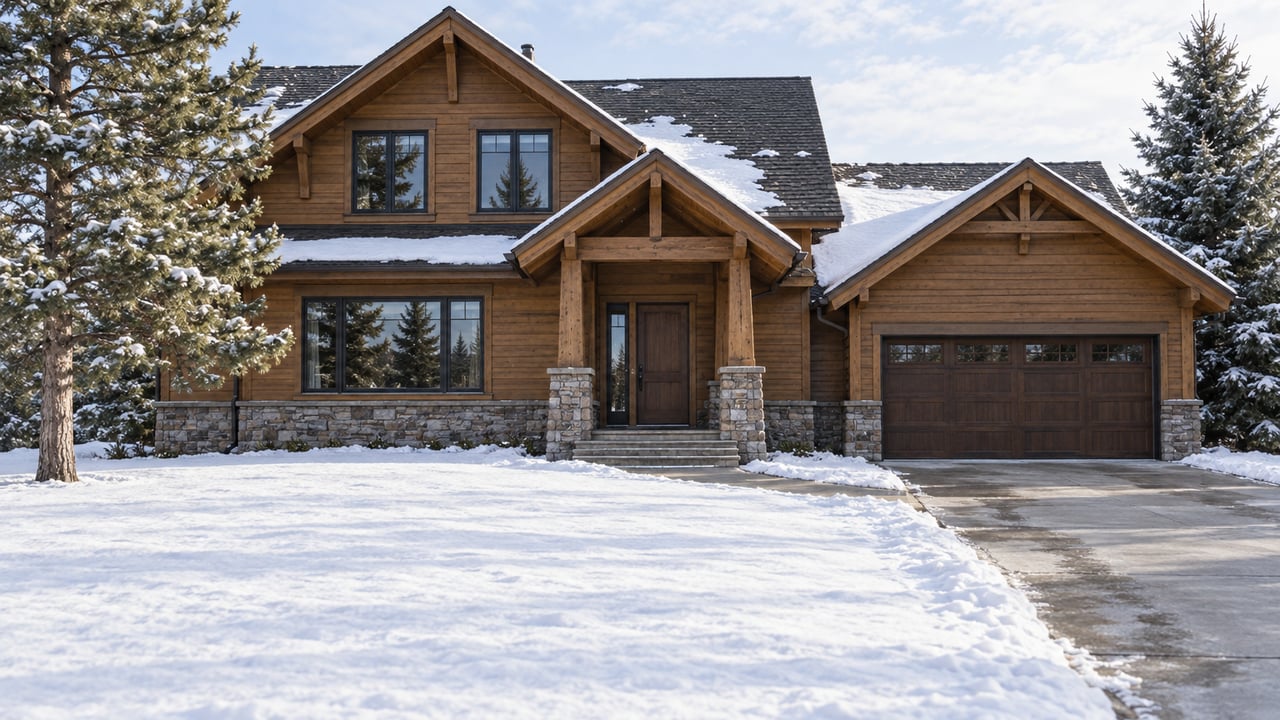
Winter brings the lowest overall volume, but active buyers and sellers are often highly motivated. Weather and shorter days limit showings, so online presentation matters more. Private, scheduled showings and virtual tours do the heavy lifting.
Pros for sellers
- Less listing competition if you price correctly and present well online.
- Serious buyers move decisively.
Pros for buyers
- Strongest negotiating leverage and more favorable terms.
- You can test heat, insulation, and snow management in real time.
Considerations
Snow and ice can hide landscaping and some exterior conditions. Make showings safe and bright, and invest in top‑tier photos and virtual tours.
Seller checklist
- Keep paths and driveways clear of snow and ice.
- Warm the home and turn on all lights before showings.
- Provide a high‑quality virtual tour and a clear floor plan.
Buyer checklist
- Confirm winter access, including county road maintenance and private snow removal.
- Inspect heating systems and ask about frozen pipe history.
- Use winter‑specific contingencies where needed.
Local factors to weigh in Park County
Tourism and second‑home demand
Livingston serves visitors bound for Yellowstone and anglers on the Yellowstone River. Summer visitation boosts interest from second‑home and investment buyers. If your property fits that profile, spring and early summer can be ideal for listing. Investors often want occupancy notes, regulations, and operating costs up front.
Flood, wildfire, and radon
Spring runoff can raise flood risk along the Yellowstone River and tributaries. Late summer into fall is wildfire season across much of Montana, which can affect insurance availability and pricing. Many Montana areas have elevated radon potential, so consider testing and mitigation planning during your due diligence. Consult FEMA flood resources, Montana DNRC wildfire guidance, and EPA radon information for the latest insights.
Winter access and roads
Livingston benefits from I‑90 access, but regional mountain routes can see closures or challenging conditions in winter storms. Check seasonal road advisories and plan showings and inspections accordingly. For rural properties, clarify snow removal responsibilities and equipment access.
Utilities, wells, and septic
Seasonality affects systems differently. Summer can reveal irrigation and septic capacity under load. Winter can reveal pressure, freeze protection, and insulation gaps. Time inspections to match these conditions so you see the property perform as you will use it.
Pricing, marketing, and timeline tips
Pricing by season:
- Spring: Price competitively and realistically. Overpricing early can cause a listing to languish as new homes hit the market.
- Summer: Emphasize outdoor features and, where relevant, short‑term rental potential.
- Fall and Winter: Consider modest concessions or incentives to reach a smaller buyer pool.
Presentation and photos:
- Spring and Summer: Lean on landscape, river or mountain views, and outdoor living.
- Fall: Capture foliage and maintain clean, safe exterior spaces.
- Winter: Prioritize interior photography and clear snow lines for exterior shots.
Showings and open houses:
- Spring and Summer: Weekend traffic is high. Keep access flexible for out‑of‑area buyers.
- Winter: Use pre‑scheduled private showings and virtual tours to maximize reach.
Inspections and disclosures:
- Pre‑listing inspections help speed deals and reduce renegotiation risk in busy seasons.
- Match inspections to season, such as heating checks in winter or septic tests during high use.
- Confirm current disclosure requirements with local real estate resources and counsel.
Financing and closing:
- Expect longer appraisal and underwriting timelines in spring due to volume.
- Year‑end goals can motivate fall and winter closings for some buyers and sellers.
- For construction or renovation financing, plan around seasonal contractor availability.
When should you make your move?
- If you want maximum exposure and potential for a higher price, spring is usually best.
- If your property shines outdoors or appeals to second‑home buyers, spring or early summer aligns with peak demand.
- If you prefer less competition and are open to flexible terms, late fall or winter can be effective.
- If you are a buyer seeking the most choices, shop spring and summer.
- If you are a buyer looking for leverage, target late fall into winter.
No two properties or timelines are the same. Align your strategy with your goals, your property’s strengths, and the season’s realities in Park County. If you want help mapping your next step, connect with a local advisor who understands both market dynamics and the technical side of land, construction, and inspections.
Ready to plan your timing with local insight and a practical game plan? Start the conversation with Mark Meissner for guidance tailored to your Livingston and greater Bozeman‑area goals.
FAQs
What is the best month to list a home in Livingston?
- Spring months, generally March through June, bring the most buyer activity and fresh listings, which can support stronger prices when you price and present well.
Is winter a bad time to sell in Livingston, MT?
- Not necessarily. Winter has fewer buyers, but those who are active are often motivated, and reduced competition can help a well‑priced listing stand out.
When do second‑home buyers usually shop in Livingston?
- Many visit and buy in late spring and summer, when Yellowstone tourism and outdoor recreation are in full swing and properties show at their best.
What should buyers check for in Livingston related to local hazards?
- Review flood considerations near waterways, wildfire risk and mitigation, and radon testing results. Match inspections to season for the clearest picture.
How do tourism and Yellowstone affect buying and selling?
- Peak summer visitation increases exposure and demand, especially for homes with short‑term rental potential or outdoor amenities, which can influence marketing and timing.
How long can closing take during peak season?
- Spring has higher volume, which can lengthen appraisal and underwriting timelines. Plan for a bit more time and lock key appointments early.