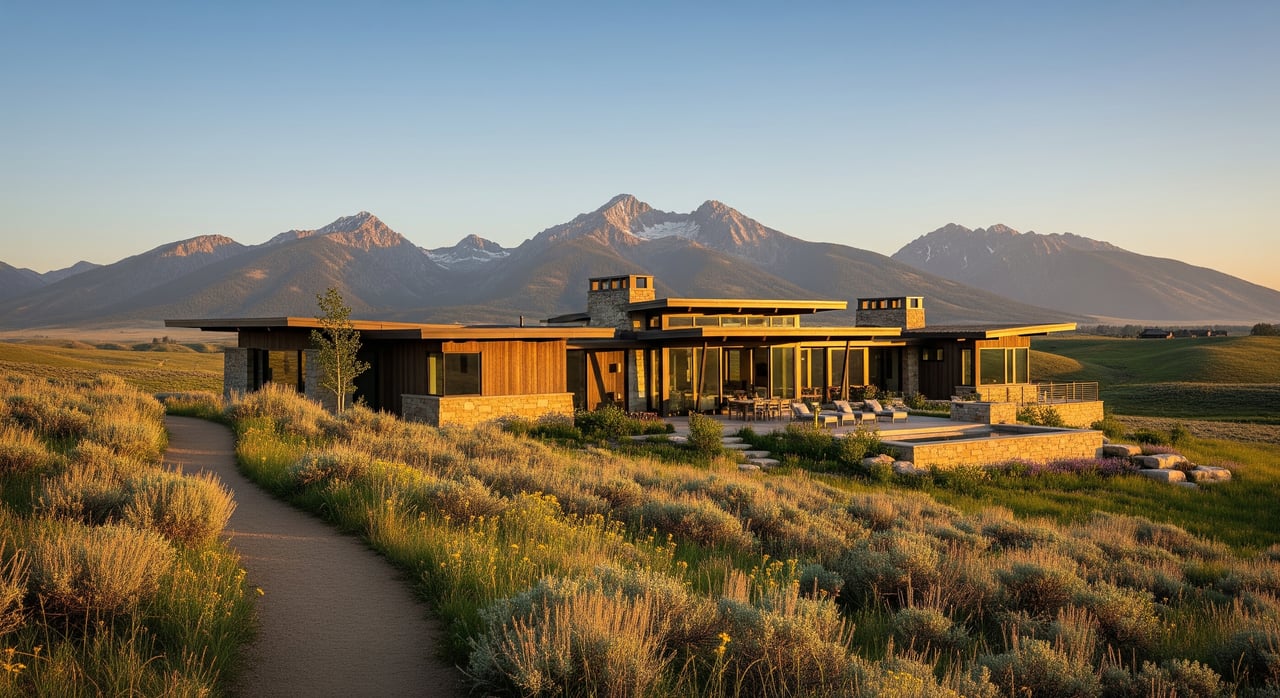
What if your favorite trail started just past your front porch? In Bozeman, that vision is real for many residents who prize quick access to paths, singletrack, and open space. If you are considering a move, you likely want to understand which areas link best to the trail network, how seasons affect daily life, and what to look for when buying near public corridors. This guide gives you a clear, local-first view so you can choose with confidence. Let’s dive in.
How Bozeman’s trail network works
Bozeman sits at the center of a rich web of municipal, county, state, and national forest trails. Locals often talk about the Main Street to the Mountains concept, a planned multi-use system that ties downtown to foothills, open space, and trailheads. Parts of this network are complete, while other links are still in planning or rely on partner easements.
You will find three broad trail types as you explore homes and neighborhoods:
- Paved multi-use urban trails for commuting and family recreation.
- Dirt connectors that link neighborhoods and parks.
- Singletrack in the foothills and national forest for hiking, running, and mountain biking.
Trail management is shared among City of Bozeman Parks and Recreation, Gallatin County, Gallatin National Forest, Montana Fish, Wildlife & Parks, the Gallatin Valley Land Trust, and volunteer groups. For conditions, closures, grooming schedules, and rules, always check official city, county, or forest updates before you go.
Best trail access by area
Downtown and central Bozeman
If you want short, frequent outings, central neighborhoods put you close to paved urban segments and short connectors from Main Street. This area works well for walkers, bike commuters, and families who want to mix errands with a quick loop. Housing often includes historic homes, older single-family properties, and infill townhomes or condos on smaller lots.
North and northwest toward the Bridgers
This side offers the closest residential access to many Bridger foothills trailheads and singletrack. You can reach ridgeline and backcountry networks with the shortest drives or moderate bike rides, depending on your exact location. Housing skews to single-family homes on larger lots, newer subdivisions with trail access, and some rural-residential parcels at higher elevations.
East and southeast toward Hyalite and the Gallatin River
Here you get good proximity to routes that lead toward Hyalite Canyon and the Gallatin River corridor. It is a strong fit if you like longer valley rides and river-based recreation. Expect suburban single-family neighborhoods and newer developments, with more rural acreage as you move farther out.
West and southwest toward outlying open space
This area is a gateway to longer gravel rides, mountain-bike routes, and out-of-town trailheads. It has a more open, rural feel for many properties. Housing often includes larger lots, rural residential and ranch settings, and lower-density new developments.
What trail-oriented buyers value
Living near a trail is a lifestyle choice. As you tour homes, look for features and context that support your day-to-day routine.
- Proximity to paved multi-use paths if you bike-commute or run daily.
- Garage and storage space for bikes, skis, and seasonal gear.
- Mudroom or entry space to manage wet boots and pets.
- Reasonable privacy if a public corridor borders the lot.
- Clear information on any trail easements or rights-of-way near the property.
- Access to singletrack or backcountry trailheads within a short drive for weekend outings.
Properties adjacent to trails can be attractive for instant access, but they also come with tradeoffs. Think about parking activity, foot and bike traffic, and nighttime visibility if the home sits next to a popular route or near a trailhead.
Daily life when you live near trails
Many residents combine paved paths with on-street bike lanes for commuting. If you ride year-round, you will want reliable bike parking, a place to dry gear, and a winter setup. Families and pet owners often use neighborhood trails for school commutes and dog walks. Paved segments tend to be the most family-friendly.
Training and recreation options multiply as you get closer to foothills. Singletrack supports running and mountain biking much of the year when conditions allow. In winter, some urban and designated corridors are groomed for Nordic skiing and snowshoeing, managed by parks staff or volunteer groups when programs are active.
Seasons, safety, and etiquette
Spring and early summer
Snowmelt can create muddy conditions, especially on singletrack. Some routes may close or ask users to avoid saturated trails. Plan flexible outings and have a paved backup when the freeze-thaw cycle is active.
Summer peak season
Long days mean more trail traffic and varied users. Expect hotter temperatures and, some years, wildfire smoke that may affect air quality or lead to temporary closures. Carry water and follow posted guidance.
Fall shoulder season
Fall often delivers excellent conditions. Some hunting seasons begin in certain areas, so confirm rules for shared-use corridors and consider wearing blaze orange where appropriate.
Winter and avalanche awareness
Urban and designated routes may see grooming for Nordic skiing, while nearby backcountry travel in the Bridger Range requires extra caution. If you venture beyond groomed areas, review avalanche education basics and check forecasts from the Gallatin National Forest Avalanche Center. Backcountry travel requires training, the right gear, and conservative decision-making.
Wildlife and fire readiness
The region includes bears, moose, deer, and sometimes mountain lions. Use Bearwise practices around home and on trails, especially at dawn and dusk. Wildfire seasons can bring air quality concerns and restrictions. If your home sits near open space, understand defensible-space needs and county guidance for vegetation management.
Trail etiquette basics
- Follow posted leash rules and yield protocols.
- Hikers yield to horses, and bikers yield to hikers uphill.
- Announce passes and keep speeds in control on mixed-use paths.
- Respect seasonal closures and grooming guidance.
Choosing the right home style
Your ideal property depends on how you use the trail network.
- Downtown condos and townhomes: Low-maintenance living with walkable access to paved paths and short connectors. Good for frequent, shorter outings and errands by bike or foot.
- Single-family near paved connectors: Strong choice for families and daily bike commuters who want quiet streets and quick access to urban trail segments.
- Foothills or larger-lot homes: Best for mountain bikers and backcountry skiers who prioritize quick vehicle access to Bridger foothills, Hyalite trailheads, and longer rides.
As you compare options, match the home’s storage, entry, and garage layout to your recreation gear and routine. Consider snow storage areas, driveway grades, and how you will move gear in and out through the seasons.
Smart due diligence checklist
Before you make an offer near trails or open space, gather clear answers to these questions:
- Is there a recorded public trail easement on or next to the property? Get documents from the seller or local authorities.
- Who maintains adjacent trails, and is access permanent or based on a private easement that could change?
- How close is the nearest parking area or informal trailhead, and what is peak use like? Visit on weekends and evenings to check.
- Are there posted rules for dogs, bikes, or seasonal closures that affect how you plan to use nearby routes?
- What is the local wildfire risk, and what defensible-space steps are recommended for the property?
- If winter recreation matters, are nearby corridors groomed, and what are the current policies for Nordic, fat bikes, or snowmobiles?
- Do HOA or neighborhood covenants include rules about fencing, landscaping near open space, or nighttime lighting?
- Have you asked your insurer about premiums and coverage for homes in higher wildfire risk zones?
Nearby corridors at a glance
Bozeman gives you a range of destinations that tie into local living:
- Bridger Range and foothills: Popular singletrack, ridge routes, and winter backcountry access. Short drives or bike rides from the north and northwest side.
- Hyalite Canyon: Lake and waterfall trailheads with high-country hikes and winter recreation. Often most convenient from the east and southeast side.
- Gallatin River corridor: Riverwalks, fishing access, and water-based recreation with open-space buffers. Access points spread through the valley.
- Urban trail segments: Paved multi-use links that connect neighborhoods to downtown and, over time, to outlying corridors as the Main Street to the Mountains plan advances.
- Outlying ridgelines and Bangtail areas: Longer gravel and mountain-bike routes west and southwest of town and beyond immediate city limits.
How a local advisor helps your search
Finding the right fit near trails takes more than a map. You want a clear read on easements, maintenance responsibilities, wildfire considerations, and how neighborhood patterns change by season. You also want to weigh tradeoffs between instant access and privacy, as well as storage and layout needs for active living.
If you are ready to explore homes close to Bozeman’s trails and open space, connect with a local, technically minded guide who understands both lifestyle and land details. Start the conversation with Mark Meissner to align your search with daily life on the trails.
FAQs
How close are trails to downtown Bozeman?
- Downtown offers paved urban trail segments and short connectors from Main Street, with closer singletrack and Bridger foothills trailheads a short drive or moderate bike ride away depending on your exact neighborhood.
Are Nordic trails groomed in winter near Bozeman?
- Some urban and designated routes are groomed seasonally, run by parks staff or volunteer groups when programs are active. Always check current city or local grooming updates.
Will living next to a trail affect privacy and noise?
- It depends on the trail type and proximity to parking areas. Homes near active trailheads see more traffic, so visit at peak times and confirm any public easements.
Do trails or open space change insurance or wildfire risk?
- Proximity to open space can raise wildfire considerations. Review county wildfire hazard guidance and talk with your insurer about coverage and mitigation steps.
Are dogs allowed on all Bozeman-area trails?
- Rules vary by corridor. Many municipal trails allow dogs on leash, while state or forest areas may differ. Always follow posted regulations for each trail.
What safety steps should I take for winter backcountry outings?
- Get avalanche education, carry proper gear, and review Gallatin National Forest Avalanche Center forecasts before any backcountry travel. Choose conservative terrain and partners you trust.