Winter in Bridger Canyon can be beautiful and unforgiving. If you are eyeing a home in Sedan or up the Canyon, you know the right features make daily life easier, safer, and more comfortable. In this guide, you will learn which cold‑climate features matter most, how to verify them during a showing, and which upgrades add real value. Let’s dive in.
Why cold‑climate features matter in Bridger Canyon
Sedan and the upper Bridger Canyon sit at higher elevations with long, cold winters, frequent sub‑freezing days, and significant snowfall compared to lower valleys. These conditions shape buyer priorities around energy use, snow management, and freeze protection. Homes that handle snow loads, manage moisture, and keep heat inside not only feel better but also cost less to run. You should also plan for rural resilience, including temporary outages and winter access.
Top features buyers ask for
Tight, well‑insulated envelope
A well‑sealed, well‑insulated home is your first line of defense against cold. Buyers look for high insulation levels in the roof, walls, and floors, paired with professional air sealing to reduce drafts. High‑performance double or triple‑pane windows with low‑E coatings help hold heat and limit condensation. Proper vapor and air barriers keep moisture where it belongs and protect the structure.
- How to verify: Ask for insulation R‑values by assembly, any blower‑door results or a HERS score, and window specs (U‑value and SHGC). Look for quality flashing and a continuous drainage plane at exterior penetrations.
- Trade‑offs: Triple‑pane windows and very high R‑values cost more up front, but in this climate they boost comfort and pay back through lower bills and stronger resale.
Heating that performs in extreme cold
Your primary heat should be efficient and reliable in very low temperatures. High‑efficiency furnaces or boilers, cold‑climate air‑source heat pumps, and geothermal systems are all viable if they are sized and specified correctly. Zoning and smart thermostats help fine‑tune comfort and save energy. Backup heat, like a wood or pellet stove or a propane heater, plus a standby generator, adds safety during outages.
- How to verify: Review equipment type, age, and service records. Confirm efficiency ratings and cold‑weather performance tables. Check for zoning, smart controls, and any backup systems including generator capacity and transfer switch.
- Trade‑offs: Geothermal and premium cold‑climate heat pumps cost more to install but can lower operating costs. Wood stoves add independence and charm, though they require maintenance and may affect insurance.
Freeze‑smart water and plumbing
Frozen pipes are a common and costly failure in rural mountain homes. You want water lines below local frost depth or routed through conditioned spaces. Look for freeze‑proof hose bibs, heat tracing on vulnerable lines, and accessible shutoffs. Place water heaters, pumps, and filters in conditioned or well‑insulated rooms to reduce freeze risk.
- How to verify: Ask for plumbing diagrams or contractor notes. Look for heat‑traced lines on exposed sections and labeled shutoffs. Confirm winterization steps for wells, irrigation, and exterior spigots.
- Trade‑offs: Deeper burial and heat tracing add cost during construction but dramatically reduce risk and maintenance.
Roofs built for snow
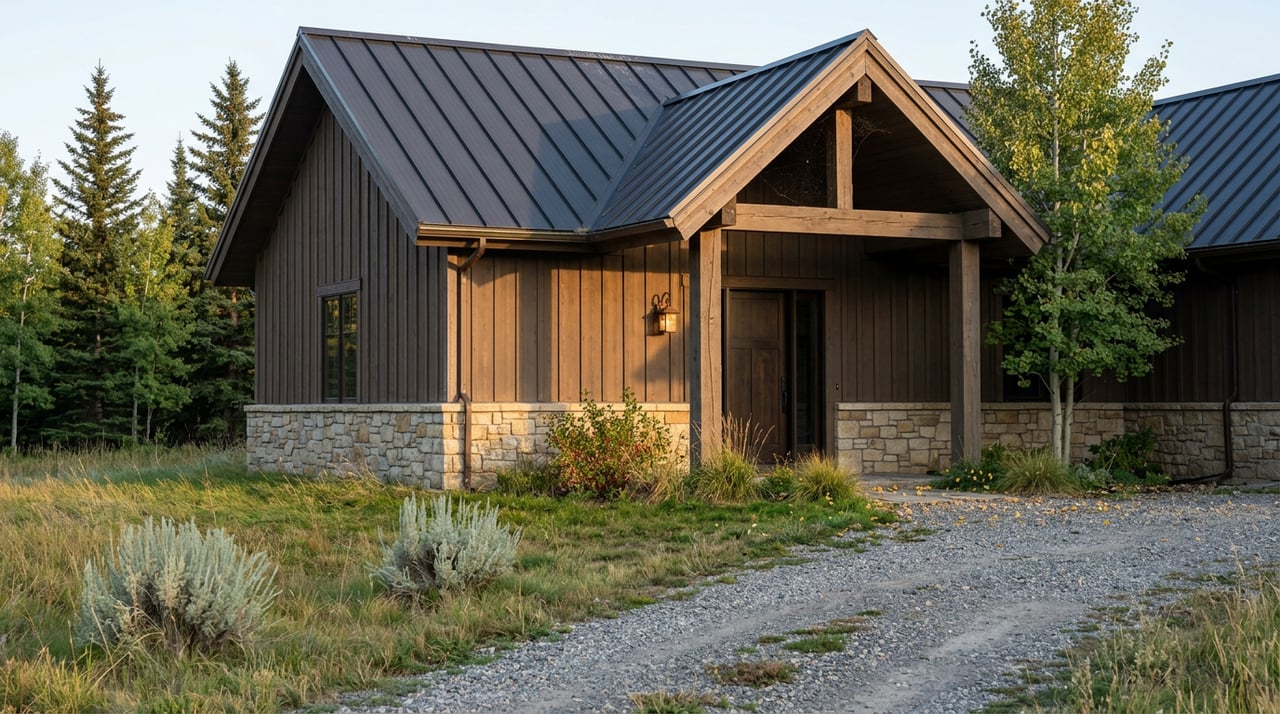
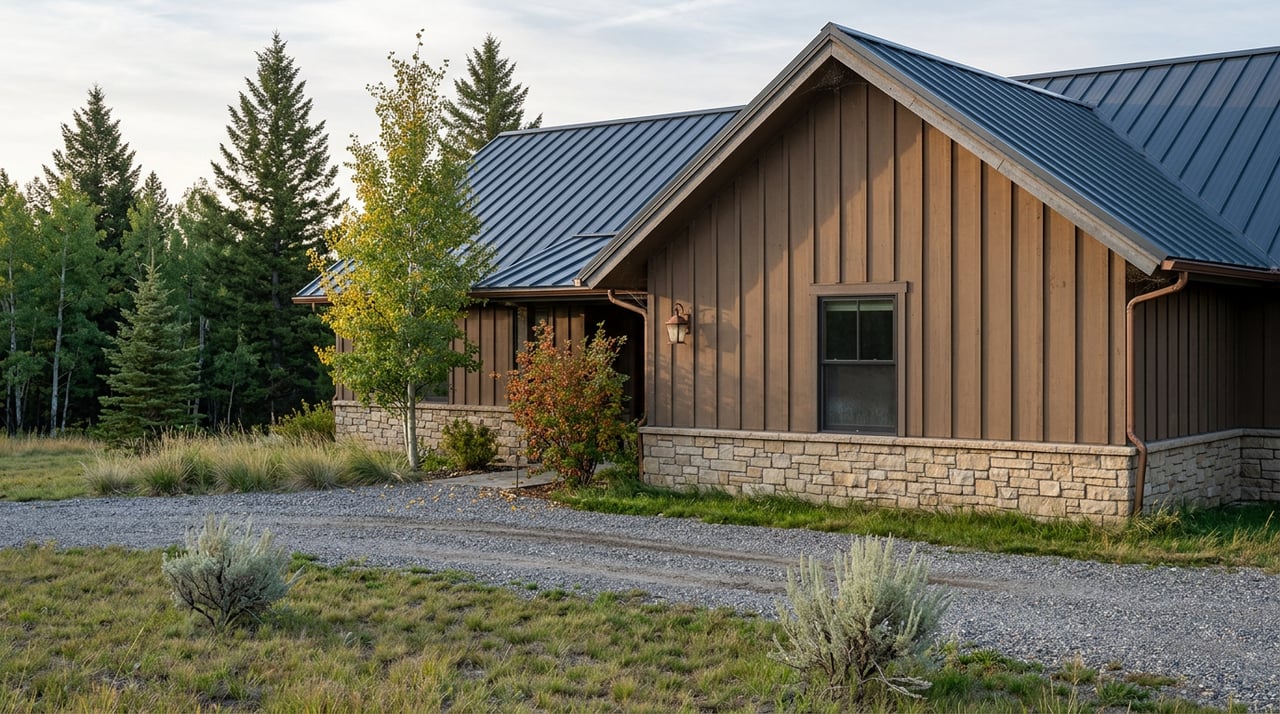
Roofs should be engineered for local snow loads with proper slope and details that limit ice dams. Many mountain homes use metal roofing for durability and snow‑shedding. Snow guards can protect entries and paths where sliding snow is a hazard. Continuous insulation, good attic ventilation, and robust flashings all support a dry interior.
- How to verify: Request engineering or code compliance documents for snow load. Note roof material, age, and slope. Look for snow guards, ice‑dam control, and attic insulation and ventilation details.
- Trade‑offs: Metal roofs and structural upgrades carry higher upfront cost but reduce long‑term repair and replacement needs.
Site access and snow management
Driveways and parking should be designed for plows with adequate width, manageable slope, and a turnaround. Ask how road and driveway plowing is handled—county, private road association, or HOA—and what it costs. Thoughtful orientation for solar gain and wind sheltering can reduce drift and help with melting. Premium properties may add snow‑melt systems at walks and entries for safety.
- How to verify: Confirm who maintains the road and driveway, typical plowing schedules, and assessments. Identify snow storage areas and ensure a plow can turn around without damaging landscaping.
Interior features that make winter easier
A functional mudroom is a big win in snowy climates. You want a bench, durable flooring, and storage for boots and outerwear to keep the mess contained. Heated garages or insulated garage doors create a thermal buffer and protect vehicles. Adequate storage for gear and, where possible, radiant heated floors make daily life more comfortable.
- How to verify: Check the size and location of the mudroom, the garage heat or insulation level, and storage solutions for winter gear and indoor drying.
Healthy air without heat loss
Tight homes need controlled ventilation to stay healthy. Heat recovery ventilators (HRVs) and energy recovery ventilators (ERVs) bring in fresh air while conserving heat. Proper kitchen, bath, and dryer venting to the exterior keeps humidity down and reduces condensation risks.
- How to verify: Look for an HRV/ERV unit, review maintenance records, and confirm exhaust fans vent outside. Check for signs of condensation around windows or in attics.
Utilities and rural resiliency
In mountain areas, you should confirm electric service, fuel options, and internet or cell coverage at the property. Backup power systems—generator or battery storage—help during outages. Off‑grid or partial off‑grid options, like solar with batteries, can work when sized correctly and paired with a dependable heat source.
- How to verify: Ask about outage history, backup power capacity, and fuel storage. Test broadband and cell performance on site.
Local codes, costs, and incentives
New construction and major remodels must meet current energy and structural codes. Engineers use local snow‑load and frost‑depth standards, and energy requirements follow climate‑zone rules. When in doubt, check with the Gallatin County building department for permit and design specifics before you commit to work.
Incentives and tax credits can support upgrades like insulation, heat pumps, and solar. Federal programs have expanded options for energy improvements, and state or utility rebates may be available. Always confirm current program details and required documentation before counting on a rebate or credit.
Insurance and maintenance also factor into value. Efficient heating and a robust roof can reduce risk and operating costs. Many buyers request a 12‑month utility history to understand real expenses. In a rural market, contractor availability can affect project timelines, so keep lead times in mind for specialty systems.
A quick buyer checklist for Sedan
- Envelope and insulation: R‑values by assembly, blower‑door or HERS, window specs.
- Heating and HVAC: equipment type/age, service records, zoning, HRV/ERV, and backup heat.
- Plumbing: frost‑depth compliance, heat tracing, freeze‑proof hose bibs, winterization steps.
- Roof and structure: snow‑load documentation, roof age/material, snow guards, attic insulation and ventilation.
- Site and access: road and driveway maintenance responsibility, plow access, slope and width, snow storage.
- Utilities and resilience: generator and transfer switch, fuel storage, internet/cell test.
- Documentation: permits, contractor invoices/warranties, utility bills, insurance claims history.
Seller tips to boost value this winter
- Seal and insulate: add attic insulation and targeted air sealing where it yields quick wins.
- Service systems: tune the boiler or furnace, change filters, and update thermostats to smart controls.
- Manage snow and ice: add or service snow guards and gutter heat where needed, and mark drive edges for plows.
- Protect plumbing: insulate exposed lines, add heat tracing in vulnerable spots, and label shutoffs.
- Prove performance: compile utility histories, service records, and any engineering or energy documents.
- Improve livability: freshen the mudroom with hooks, a bench, and durable mats; organize gear storage.
What this means for your search
In Bridger Canyon and Sedan, the right cold‑climate features deliver comfort, safety, and long‑term savings. They also make a home easier to maintain and more desirable when you sell. If you want help evaluating a property’s envelope, heating, and winter access—or planning smart upgrades before you list—reach out. With hands‑on development and construction experience paired with full‑service brokerage, Mark Meissner can help you compare options and move forward with confidence.
FAQs
Can cold‑climate heat pumps really work in Bridger Canyon?
- Yes. Cold‑climate air‑source heat pumps and geothermal systems perform well here when sized and specified for low temperatures, often paired with a backup heat source.
How do I prevent frozen pipes in a Sedan home?
- Keep water lines below local frost depth or inside conditioned spaces, use heat tracing on exposed runs, and ensure easy‑to‑reach shutoffs and well system protection.
What roofing details help stop ice dams?
- Continuous insulation, tight air sealing to limit heat escaping into the attic, proper ventilation, adequate roof slope, snow management features, and targeted heat‑trace where needed.
Do I need to worry about winter road access and plowing?
- Yes. Confirm whether the county, a road association, or an HOA maintains the road; learn plow schedules, costs, and how the driveway is handled during heavy snow.
Which documents should I request during due diligence?
- Ask for insulation specs, blower‑door or HERS results, HVAC service records, snow‑load engineering, utility histories, permits, contractor warranties, and any insurance claim history.