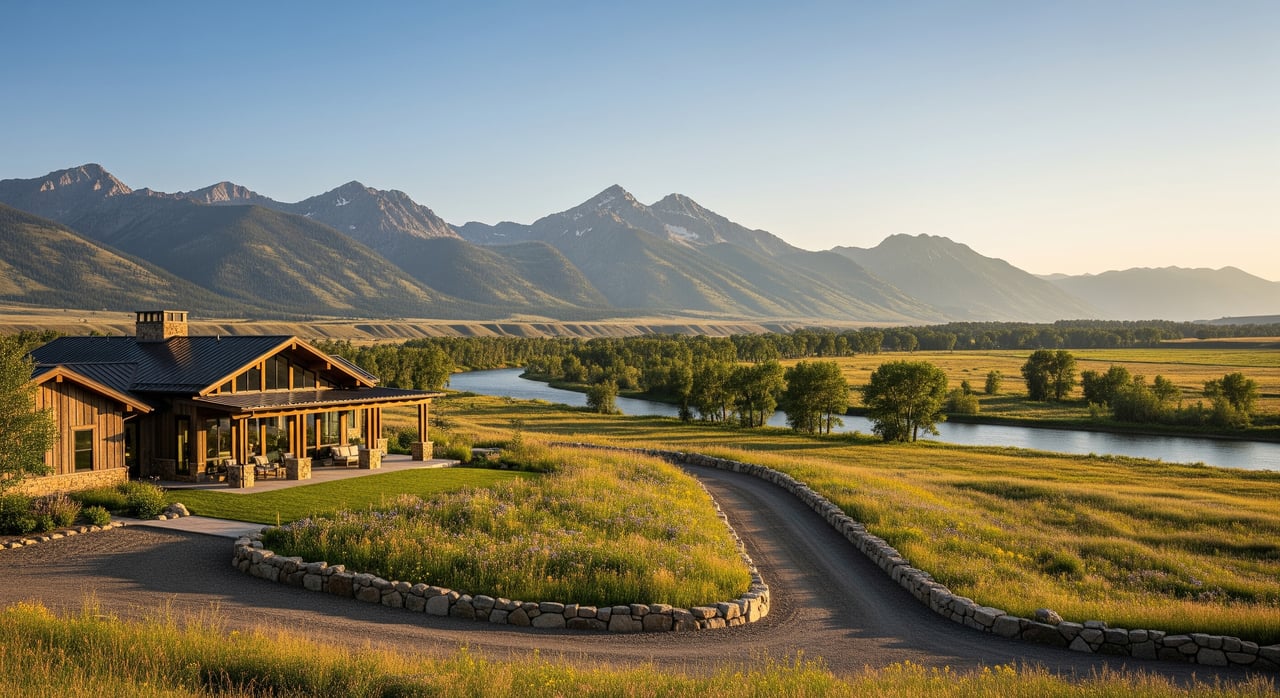
You can feel it the moment you turn into Paradise Valley. The river, the light, and those sweeping Absaroka and Gallatin views make land here feel rare. Pricing that magic is not simple, especially when two parcels with the same acreage can have very different values. In this guide, you’ll learn how to price acreage and view lots in Paradise Valley with a practical framework you can apply whether you’re selling or buying. Let’s dive in.
What drives land prices in Paradise Valley
Location and views
Paradise Valley stretches from Livingston toward Gardiner, with Yellowstone National Park nearby. Proximity to Livingston services, travel times to Bozeman, and seasonal traffic patterns affect buyer demand. Unobstructed mountain panoramas and private bench sites often carry premiums when combined with good access and buildability.
Usable acres vs total acres
Total acreage rarely tells the whole story. Steep slopes, rock outcrops, riparian buffers, wetlands, and floodplain areas can limit where you can build. Focus on usable or buildable acres and potential building sites when comparing properties and setting price.
Access, topography, and build costs
Gentle benches or plateaus with straightforward road access are easier and less expensive to develop. Parcels that require long driveways, retaining walls, culverts, or bridge crossings are typically discounted. Drive time to maintained public roads and year-round access also influence buyer willingness to pay.
Utilities, water, and septic
Power availability and utility proximity are key. Lots far from existing electric lines often require expensive extensions or alternative energy solutions. A drilled well or proven community water connection and a successful percolation test for septic can support value, while uncertainty or failed tests reduce it.
Legal and title constraints
Local zoning and subdivision rules determine allowed uses, setbacks, and minimum lot sizes. Easements, rights-of-way, mineral reservations, and conservation easements can limit buildable area or future plans. Water rights follow a prior appropriation system, so the existence and priority of any rights tied to a parcel may add value and require careful transfer.
River frontage and amenities
Direct Yellowstone River or tributary frontage is a premium attribute due to recreation and scarcity. Value depends on legal access, bank stability, and riparian regulations. Parcels near trailheads or park gateways may see more interest from lifestyle and second-home buyers.
Market timing and financing
Vacant land is harder to finance than homes, which narrows the buyer pool. Higher down payments and interest rates for land loans affect affordability. Seasonal demand often peaks spring through early fall, so your pricing and marketing timeline should reflect that.
How to price acreage and view lots step by step
Build your comp set
Start with a local CMA that focuses on recent vacant-land sales in Paradise Valley and nearby comparable areas. Prioritize properties with similar location, view quality, river frontage, and usable acres. If sales are sparse, expand the timeframe and document why each comp is relevant.
Convert to usable metrics
Shift from total acres to usable or buildable acres and potential building sites. Note topography, driveway feasibility, and any floodplain or wetland constraints that shrink the practical building envelope. Record river frontage length and orientation if applicable.
Adjust for key attributes
Compare each comp to your subject parcel and adjust for view quality, river frontage, utilities, well and perc status, access, and restrictions. When large portions of a lot are not buildable, use price per buildable acre or per viable building site rather than price per total acre. Document the rationale behind each adjustment.
Estimate development costs
Outline the costs to make the site build-ready. Typical items include driveway or roadwork, culverts or bridges, utility extensions, well drilling, septic design and installation, site grading, erosion control, and permit fees. Subtract these costs from a finished-lot target value to sanity check your pricing.
Set pricing bands and strategy
Create low, mid, and high list-price scenarios to test the market. Use staged reductions or targeted marketing if you are pricing toward the premium end. If the parcel could be sold in parts, evaluate whether separate offerings could expand the buyer pool and support a higher combined outcome.
Putting a value on views and frontage
View premiums
Views are subjective, so treat them as proportional adjustments based on comps rather than fixed dollar amounts. Partial or filtered views may carry a small or no premium after adjusting for usable acres. Panoramic, unobstructed views with a private, buildable bench tend to command meaningful premiums when supported by comparable sales.
River frontage considerations
River frontage often commands a larger premium than views alone because it adds recreation and scarcity. Confirm legal access along the bank, floodplain limitations, and any riparian setbacks. A clear record of frontage length, bank stability, and usability helps justify pricing.
Due diligence checklist for Paradise Valley buyers and sellers
- Confirm legal description and title, including recorded access, easements, and mineral reservations.
- Verify zoning district, permitted uses, setbacks, and any subdivision or building rules with Park County Planning and Zoning.
- Review assessor data for tax classification, assessments, and history.
- Research water rights through the state database and confirm well permits or community water details.
- Conduct percolation tests and consult the county sanitarian for septic feasibility and setbacks.
- Order boundary and topographic surveys to identify building pads, slopes, drainage, and driveway approach options.
- Map floodplains and wetlands and confirm any required permits or elevation standards.
- Verify road type, access, and maintenance obligations, including private road agreements or HOAs.
- Confirm proximity and extension costs for electricity and options for broadband and propane.
- Evaluate environmental constraints, conservation easements, or habitat considerations.
- Assess fire risk, fire district coverage, and defensible space requirements and review insurance implications.
Financing, taxes, and insurance realities
Land loans and construction financing
Vacant land loans usually require higher down payments, shorter terms, and higher interest rates than home loans. Cash buyers are common in scenic rural markets because financing is limited. Construction loans may be available once you have plans and permits for a buildable site.
Taxes and classification
Property taxes depend on county assessment and classification. Agricultural use and residential classifications follow different rules and requirements, and changes in use can affect taxes. If a conservation easement is present or planned, consult qualified advisors about potential tax benefits and long-term value impacts.
Wildfire and insurability
Wildland fire risk can influence insurance pricing and requirements. Defensible space, water storage for firefighting, and approved access turnarounds may be required or recommended. Confirm insurability before committing to a purchase timeline.
Smart listing strategies for sellers
Tell the land’s story
Show how the site lives through the seasons. Highlight view orientation, best building benches, privacy, and proximity to the river or trailheads. Use high-quality visuals like drone photography, topographic overlays, and simple site-plan concepts to help buyers visualize value.
Provide technical details up front
Reduce uncertainty by sharing perc test results, well logs, surveys, and utility proximity. Include clear summaries of easements, access agreements, and any conservation or riparian constraints. Prepared documentation builds buyer confidence and supports stronger offers.
Price for the actual buyer pool
Consider your most likely buyers and their financing reality. A price that works for cash or strong land loan borrowers will shorten time on market. If the parcel is ideal for a specific segment, tailor your marketing to reach those buyers directly.
Common pricing pitfalls to avoid
- Pricing by total acreage instead of buildable acreage.
- Underestimating driveway, utility extension, or bridge costs.
- Overlooking floodplain, wetland, or riparian constraints.
- Ignoring easements, unrecorded access issues, or mineral reservations.
- Treating land like residential comps without adjusting for development complexity.
- Forgetting long-term costs like road maintenance, snow removal, and weed control.
Work with a local land specialist
Paradise Valley land rewards careful analysis. When you take time to quantify usable acres, validate utilities and septic, and account for views, frontage, and access, your pricing becomes clear and defensible. If you want a calm, technically informed approach that aligns with how buyers really evaluate land, reach out to Mark Meissner. Start the conversation and move forward with confidence.
FAQs
How do I value mountain views in Paradise Valley?
- Use comparable vacant-land sales, then adjust for usable buildable acres and document why the view is rare, private, and supported by comps and photos.
Does Yellowstone River frontage always increase price?
- Generally yes, but actual value depends on legal access, bank stability, water-rights context, and riparian constraints that may affect building and use.
What development costs should I budget for a raw lot?
- Expect driveway or roadwork, culverts or bridges, power extensions, well drilling, septic design and installation, grading, erosion control, and permit fees.
How long do acreage and view lots take to sell in Paradise Valley?
- Time on market varies with price, season, and attributes, and vacant land often takes longer than homes due to financing barriers and due diligence steps.
Can I use a conventional mortgage to buy vacant land here?
- Conventional home loans rarely apply to raw land, so buyers typically use land or construction loans with higher down payments and different terms.