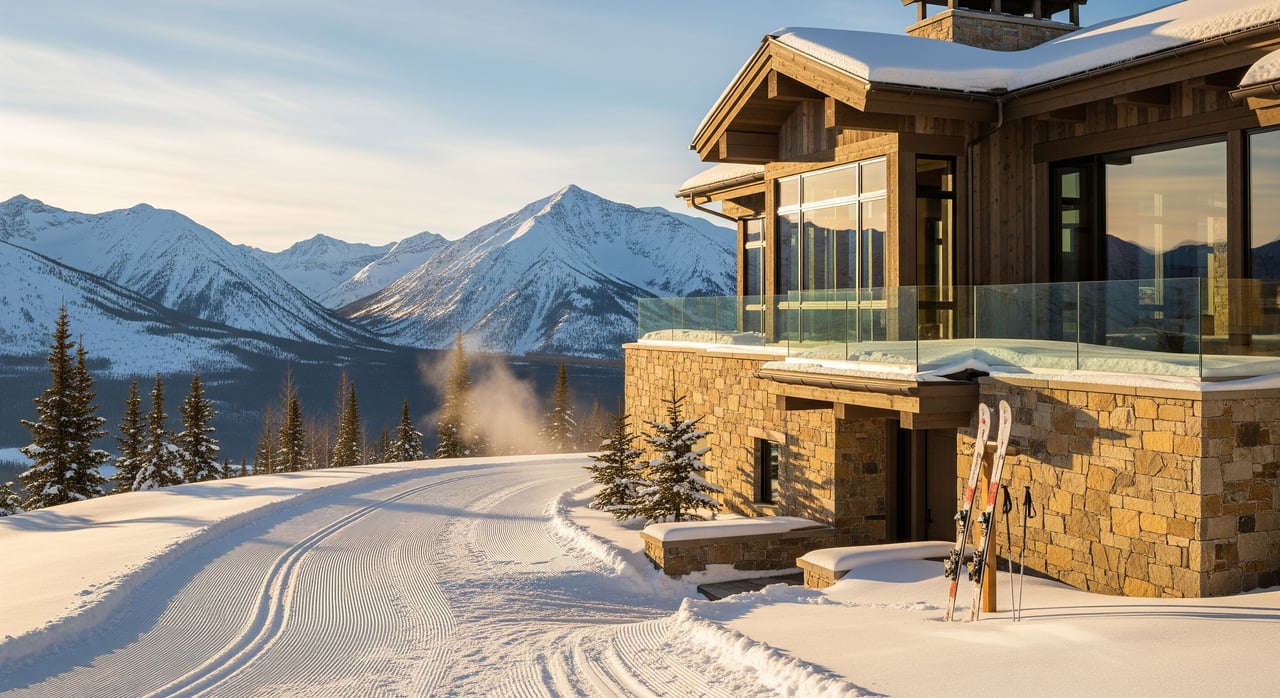
Dreaming of clipping into your skis at the front door and gliding to the lift? In Big Sky, that dream is possible, but every “ski-in/ski-out” home is not the same. You want mountain access that works the way you expect, in all conditions, with clear rules and long-term value.
In this guide, you’ll learn what ski access really means in Big Sky, how to verify it before you buy, and the costs, risks, and rental rules to consider. You’ll also get a simple checklist you can use with your lender, HOA, and county offices. Let’s dive in.
What ski-in/ski-out means
“Ski-in/ski-out” covers a spectrum in Big Sky. At one end, you have true ski-in/ski-out with direct access to a private slope, ski trail, or lift plaza from the property. At the other, you have lift-adjacent or shuttle-served homes where you walk a short distance or use a quick shuttle to reach the base.
You should confirm the exact setup for any listing. Ask whether you can both ski to the lift and ski back home, and whether access varies by snow conditions or resort operations. The goal is to understand the daily routine you can expect in mid-winter and in the shoulder seasons.
Where Big Sky access exists
Ski-accessible homes and condos cluster around Big Sky’s resort base areas and on-mountain neighborhoods. You will see options near Mountain Village and Town Center, as well as on-mountain homes and cabins connected by trails or private ski easements.
Some properties marketed as ski-in/ski-out rely on resort-managed trails or private easements across neighboring land. Get clear documentation and maps so you know exactly how you will reach and return from the mountain.
How to verify access
Confirm both the type and permanence of your ski access before you go under contract.
- Request recorded easements, resort access agreements, and HOA declarations.
- Review the title report for exceptions and any notes on access rights.
- Ask who maintains the connecting trail and if it crosses private, resort, or public land.
- Check for seasonal closures and any past reroutes tied to resort operations.
- Compare documents with current resort trail maps and ask for a land survey if boundaries are unclear.
Local sources that can help include Big Sky Resort operations and trail maps, your property’s HOA, and county planning or assessor offices. A thorough title review is essential.
Zoning and permits
Big Sky spans both Gallatin County and Madison County. Zoning, density, setbacks, and height limits can differ by county and subdivision. If you plan to remodel or build, check the correct county planning department and your HOA’s architectural standards.
Some resort-area properties include design review, exterior materials rules, or lighting standards. Ask for the latest HOA covenants, conditions, and restrictions, and read them alongside county permitting requirements before you invest.
Utilities and winter logistics
Mountain properties often rely on community water and sewer or on-site wells and septic systems. Verify permits, capacity, and maintenance history, and commission inspections during due diligence.
Ask how roads are plowed. Counties and HOAs split snow removal in many areas, and you may need a private service for driveways and decks. Also confirm heating fuel type, internet options, and cell service. Winter access and reliable utilities make a big difference in day-to-day living.
Insurance and risk
Standard homeowners insurance may not cover every mountain-specific exposure. Review these points with your insurance agent:
- Snow loads and roof design, including code compliance for snow and ice.
- Wildfire exposure, defensible space, and any local mitigation requirements.
- Avalanche exposure for properties on or below steep slopes, including whether engineered mitigation exists.
Sellers must disclose known issues, including title exceptions, easements, and environmental hazards. Ask specific questions and document what you receive.
Financing and taxes
Lenders may underwrite resort-area second homes and rentals more conservatively than primary residences. Expect higher down payments or reserve requirements for some loan types.
Property tax rates and assessments can vary between Gallatin County and Madison County. If you plan to rent short term, lodging or occupancy taxes may apply, and you may need registrations or permits. Contact the correct county assessor and the Montana Department of Revenue for current rules.
Costs and HOA fees
Ski-in/ski-out properties often carry a price premium and can be less liquid than off-mountain homes. Within the resort, price per square foot varies widely between base-area condos and on-mountain single-family homes.
Recurring costs to budget include:
- HOA/condo fees. These often cover common-area snow removal, exterior maintenance, road care, shuttle services, trail easements, and shared utilities.
- Maintenance. Plan for roof snow management, heating system service, winterization, septic inspections, and routine plowing.
- Insurance. Mountain and wildfire exposure can increase premiums.
- Rental operations. If you rent, account for management fees, cleanings, linens, utilities, and local lodging taxes.
Rental potential and rules
Big Sky has strong seasonal demand in winter and a growing summer season. That said, occupancy and nightly rates vary by location, unit type, and marketing. Ask local property managers for recent performance on similar homes to set realistic expectations.
Before you buy, verify short-term rental rules. HOA covenants and county ordinances may limit or prohibit rentals, and some areas require permits and tax registration. Build compliance steps into your timeline if rental income is part of your plan.
Safety and environment
Avalanche and wildfire risks deserve a close look for on-mountain or steep-slope homes. Request any available avalanche history for the parcel and ask about mitigation measures. For wildfire, review defensible space practices and exterior materials.
For water and wastewater, obtain permits and inspection records for wells and septic systems. Replacement histories and maintenance logs help you anticipate future costs.
Travel and amenities
Bozeman Yellowstone International Airport is the main gateway to Big Sky. Typical drive times range from about 45 to 90 minutes depending on where you live in Big Sky and winter road conditions. Plan for vehicle storage, guest parking, and snow-season access.
Amenity access varies by neighborhood and HOA. Big Sky offers skiing, biking, trails, shops, restaurants, and events. If schools or child care matter to you, review local options in a neutral and factual way and confirm enrollment policies directly with providers.
Buyer checklist
Use this quick checklist during due diligence:
- Confirm exact location and county, Gallatin or Madison.
- Obtain title report, recorded easements, and HOA declarations.
- Review resort trail map and on-mountain access documentation.
- Request recent HOA financials, meeting minutes, and reserve study.
- Commission septic and well inspections if applicable.
- Get risk assessments for wildfire and avalanche exposure.
- Consult a local lender about financing terms for resort properties.
- Verify short-term rental rules, lodging tax obligations, and any permits.
- Talk with local property managers about realistic rental income.
Work with a local advisor
Buying ski-in/ski-out in Big Sky is equal parts lifestyle and logistics. Clear access rights, solid maintenance plans, and the right financing make all the difference in how your home lives and holds value over time.
If you want a straightforward path through easements, HOA rules, inspections, and county differences, let’s talk. Start the conversation with Mark Meissner for calm, technical guidance rooted in the Bozeman and Big Sky markets.
FAQs
How do I verify true ski-in/ski-out access in Big Sky?
- Ask for recorded easements, HOA declarations, and a current resort trail map, and have your title officer confirm access rights and any seasonal limitations.
Which county rules apply to a Big Sky ski property?
- Big Sky spans Gallatin and Madison Counties, so zoning, permits, and taxes depend on which county your parcel sits in; confirm with the appropriate county offices.
What HOA fees typically cover in resort condos and homes?
- Many HOAs cover snow removal, road maintenance, exterior preservation, shuttle services, trail easements, and shared utilities; request financials and the reserve study.
Can I short-term rent a Big Sky ski property?
- It depends on HOA covenants and county rules; verify rental allowances, permitting steps, and lodging tax registration before you rely on rental income.
What insurance issues should I review for on-mountain homes?
- Review wildfire and avalanche exposure, roof snow-load design, and replacement cost coverage; ask about deductibles for perils common in mountain locations.
How far is Big Sky from the airport in winter?
- Plan on about 45 to 90 minutes by car from Bozeman Yellowstone International Airport depending on your location in Big Sky and road conditions.