Looking for a place where life moves a little slower, the views stretch wide, and community still feels personal? Manhattan, Montana offers that balance. If you are wondering what it is really like to live in this small Gallatin Valley town, this guide will walk you through the pace, amenities, outdoor access, and housing feel that shape daily life here. Let’s dive in.
Why Manhattan Stands Out
Manhattan is a small incorporated town in Gallatin County with about 2,100 residents. It is known as the Heart of the Gallatin Valley, and that nickname fits its location and character. You get a rural setting with strong local identity, but you are still connected to the rest of the region.
The town’s roots run deep in agriculture and transportation. Its development was tied to the Northern Pacific Railroad, a malting company, and an agricultural economy centered around barley, seed potatoes, dairy, wheat, commercial beef, and registered cattle. That history still shapes the landscape and the pace of life you feel today.
Manhattan also has a pattern of steady growth. Census-based reporting showed the town grew 37% from 2010 to 2020, which helps explain why more buyers are paying attention to it. Even with that growth, it remains small enough to feel neighborly and easy to navigate.
Daily Life Feels Local
One of the biggest draws of Manhattan is how practical and community-run it feels. The town’s civic core includes visible local services like the library, parks, public works, police, fire, and town hall. That may sound simple, but it matters when you want a town that feels organized and engaged.
You can also see that character in the way local routines are handled. The town posts water-conservation schedules, snow-plow plans, dog-waste rules, and open board positions. That tells you a lot about the day-to-day experience here: local, hands-on, and rooted in shared responsibility.
Downtown helps reinforce that small-town rhythm. Manhattan’s Main Street area is centered around shops, eateries, civic spaces, and public gathering points that support everyday life without the feel of a larger city. It is the kind of place where errands, events, and community life often overlap.
Community Events Keep Things Connected
A quiet town does not mean an empty calendar. Manhattan has a strong lineup of local traditions and recurring events that give the town energy throughout the year. These events help residents stay connected and give newcomers easy ways to plug into local life.
Some of the best-known community events include:
- Manhattan Potato Festival
- Manhattan Classic Car Show & Farm Fun
- Weekly Manhattan Farmers Market
- Community Concert with the Bozeman Symphony
- Christmas Stroll
- Business celebration events through the chamber
This kind of event calendar adds texture to life in town. You are not just buying a home here. You are stepping into a community with its own traditions, gathering places, and rhythm.
Outdoor Access Is Part of Everyday Life
If outdoor access matters to you, Manhattan makes it easy to stay close to it. The Gallatin River is one of the area’s main recreational draws, and it is close enough to feel like part of regular life rather than a special outing. Fishing, boating, rafting, and scenic river views are all part of the local appeal.
The Gallatin Forks Fishing Access Site is located off Interstate 90 at Manhattan, at milepost 288, then about two miles north on Nixon Gulch Road. The site includes a boat ramp and day-use access. That kind of immediate river access is a big advantage if you want quick recreation without a long drive.
Trails also play a meaningful role in town life. The Manhattan Trail System supports fitness, neighborly walks, and pet-friendly use, and the community continues to support trail expansion and maintenance. Gallatin County has also described a proposed separated bike-and-pedestrian path connecting Manhattan, Logan, and Three Forks, showing ongoing interest in better non-motorized connections across the valley.
Manhattan Is Rural, Not Remote
One of the most common questions about Manhattan is whether it feels isolated. In practice, it does not. That is one of the reasons it appeals to buyers who want more space and a quieter setting without giving up access to work, shopping, or services in the broader Bozeman area.
Manhattan is about 9 miles from Belgrade, 11 miles from Three Forks, and 19 miles from Bozeman. Those distances make it a realistic home base for commuters and for anyone who wants to stay tied into the Gallatin Valley. You can enjoy a smaller-town environment while still reaching larger service hubs fairly quickly.
That balance is a big part of the lifestyle story here. Manhattan gives you breathing room, but it does not cut you off from the region. For many buyers, that is the sweet spot.
Housing Has a Small-Town Feel
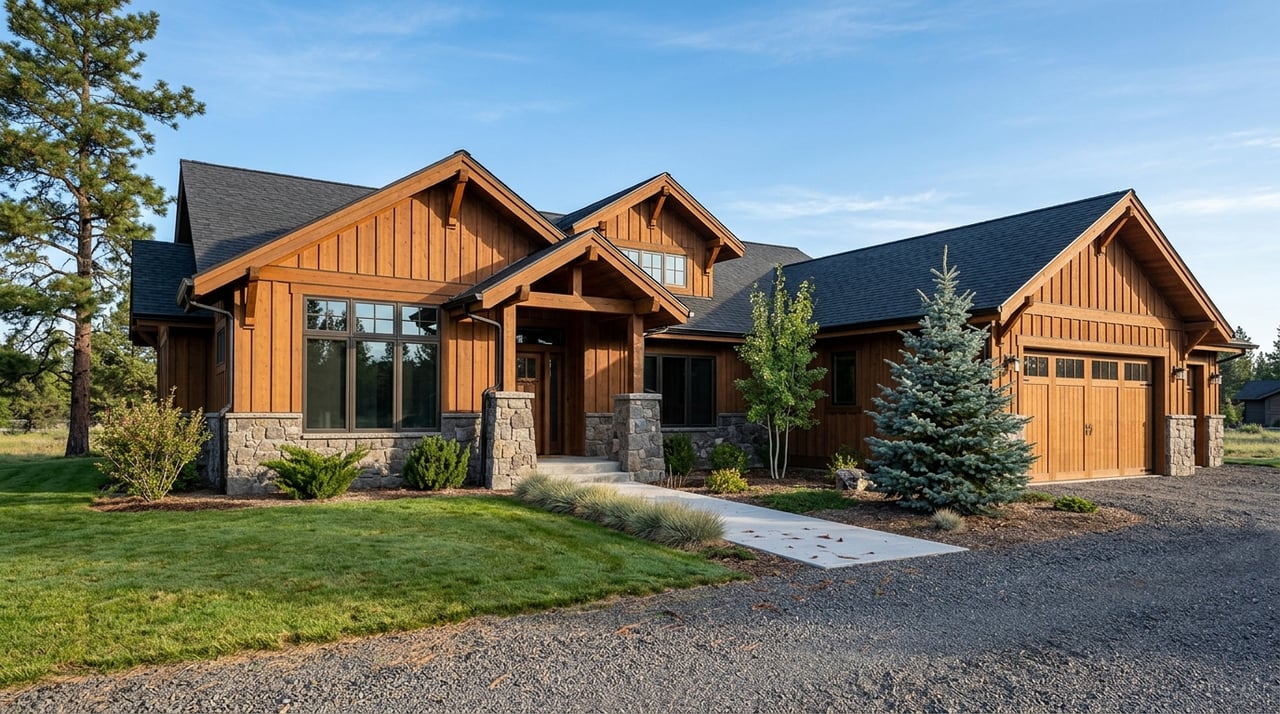
Manhattan had 938 housing units reported in 2024, so the in-town housing supply is naturally limited compared with larger nearby communities. That smaller scale affects both the feel of the town and the types of properties you may find. In general, Manhattan offers a mix of small-town homes, edge-of-town lots, and rural acreage.
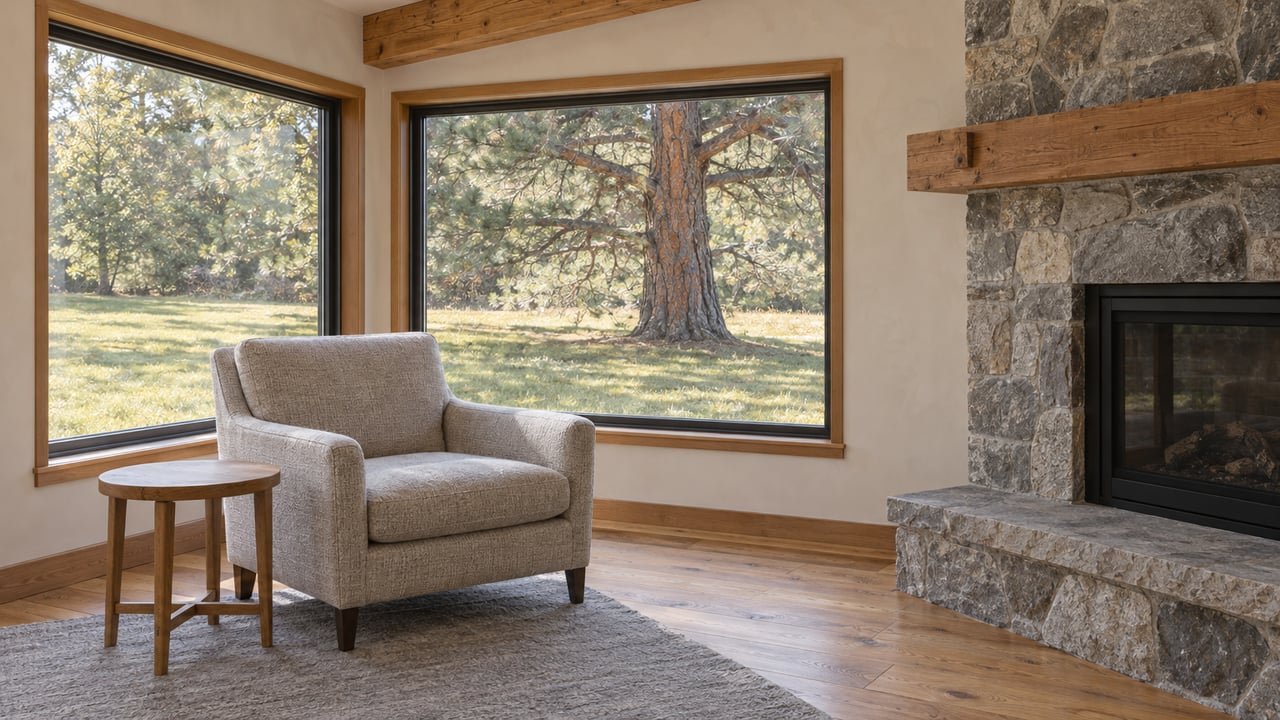
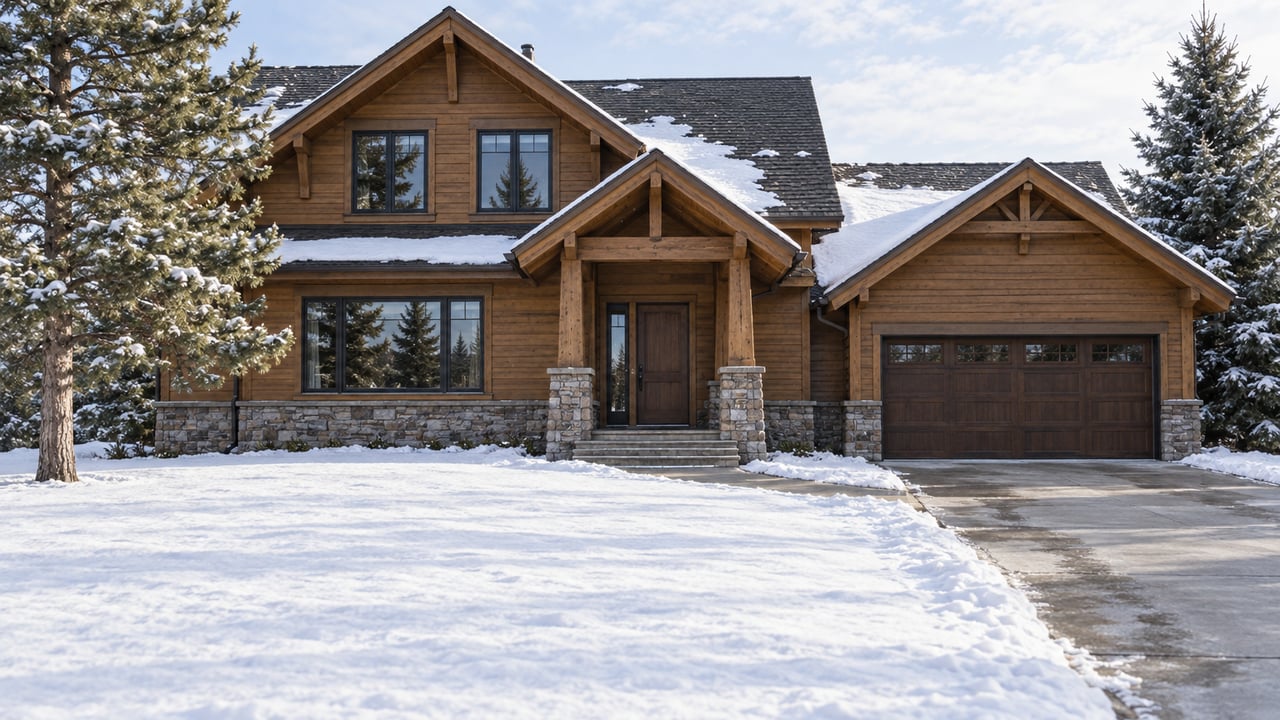
If you are exploring the area, you may notice that housing here often feels more open and less dense than in more urbanized parts of the valley. Some buyers are drawn to established homes in town, while others look for larger lots or acreage with a little more separation. That variety can be appealing if you want options beyond a standard subdivision feel.
For buyers thinking beyond resale homes, Manhattan can also be relevant if you are considering land or new construction. In a market where location, lot utility, and long-term use matter, having clear guidance can make a big difference. That is especially true when you want to compare in-town convenience with edge-of-town or rural property considerations.
Schools and Civic Life Matter Here
For many households, schools are part of understanding a town’s identity. In Manhattan, the school system is integrated into the fabric of the community. Manhattan School District #3 serves students from kindergarten through 12th grade, with K-5, 6-8, and 9-12 offices located on North Broadway.
It is best to think of the district as part of the town’s daily life rather than a separate feature. Along with the library, parks, and civic services, the schools help anchor the sense that Manhattan is a working, connected town with a strong local center. That can be an important part of what makes the community feel grounded.
Who Manhattan Often Appeals To
Manhattan can be a strong fit if you are looking for a lifestyle that values space, routine, and connection to the land. It tends to attract people who want a more grounded day-to-day setting while still staying within reach of larger Gallatin Valley destinations. The appeal is less about fast-paced convenience and more about balance.
You may find Manhattan especially appealing if you want:
- A quieter home base with a strong local identity
- Quick access to the Gallatin River and local trails
- Community traditions and small-town events
- Nearby access to Bozeman, Belgrade, and Three Forks
- Housing options that may include larger lots or acreage
That does not mean Manhattan is the right fit for everyone. If you want dense retail, constant nightlife, or a more urban street pattern, you may prefer a different setting. But if your ideal day includes open views, local routines, and easy regional access, Manhattan is worth a closer look.
Why Local Guidance Helps
A town like Manhattan can look simple at first glance, but real estate decisions here still benefit from local insight. Property type, location, access, lot characteristics, and future plans all shape what works best for you. That is true whether you are buying your first home, selling a property, or exploring land in the area.
Working with someone who understands both the Gallatin Valley market and the practical side of real estate can help you ask better questions. That can include how a property fits your lifestyle, how in-town and rural options compare, and what to watch for if land or new construction is part of your plan. Clear advice matters, especially in communities where inventory and property styles can vary.
If you are considering a move to Manhattan or preparing to sell in the area, Mark Meissner offers calm, informed guidance backed by local market knowledge, residential expertise, and hands-on experience with land and new construction.
FAQs
What is life like in Manhattan, Montana?
- Life in Manhattan, Montana tends to feel slower, local, and community-driven, with a compact downtown, active civic services, and regular town events.
Is Manhattan, Montana close to Bozeman?
- Yes. Manhattan is about 19 miles from Bozeman, about 9 miles from Belgrade, and about 11 miles from Three Forks.
What outdoor recreation is near Manhattan, Montana?
- Outdoor access near Manhattan includes the Gallatin River for fishing, boating, rafting, and scenic views, plus local trails used for walking, fitness, and pets.
What kinds of homes are common in Manhattan, Montana?
- Manhattan generally offers a mix of small-town homes, edge-of-town lots, and rural acreage rather than dense urban housing.
Does Manhattan, Montana feel isolated?
- No. Manhattan has a quieter rural setting, but it remains closely connected to nearby Gallatin Valley communities and services.
Are there community events in Manhattan, Montana?
- Yes. Manhattan hosts recurring events such as the Manhattan Potato Festival, Farmers Market, Classic Car Show & Farm Fun, Christmas Stroll, and other local gatherings.