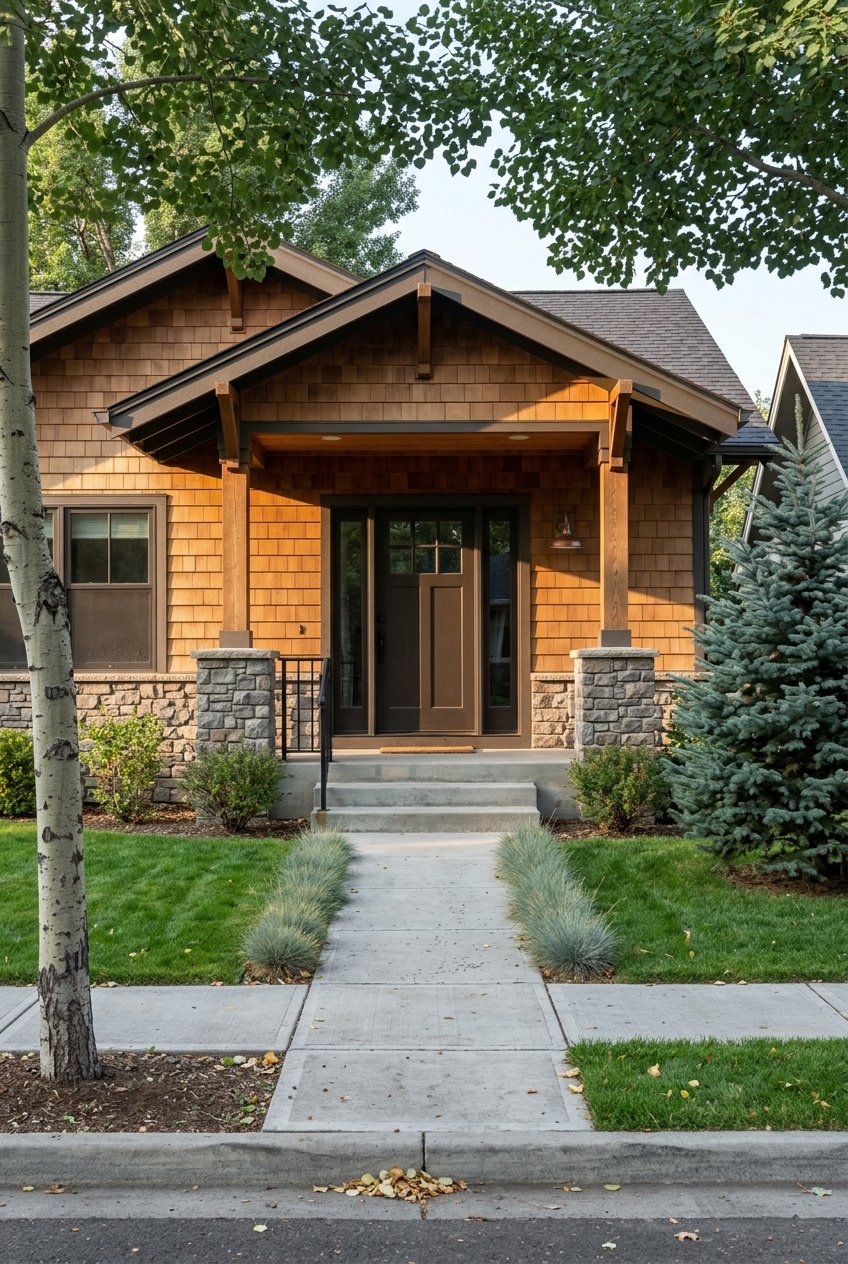
If you have started comparing Bozeman neighborhoods, you have probably noticed something quickly: this is not one simple, uniform housing market. A home near the historic core can live very differently from a newer west-side build or an edge-of-town property near trails and open space. Understanding those differences can help you narrow your search faster and choose an area that truly fits how you want to live. Let’s dive in.
How Bozeman Organizes Neighborhoods
Bozeman’s own planning documents frame the city as a collection of distinct neighborhoods and districts, not one broad market. The city’s Community Plan emphasizes unique neighborhoods, downtown and related districts, parks and open lands, mobility choice, housing diversity, and gradual density increases in developed areas.
That matters because neighborhood feel in Bozeman is shaped by more than price alone. City maps and land-use categories help explain why one area feels older and walkable, while another feels newer, lower density, or more open-space oriented.
Bozeman’s official neighborhood map recognizes areas such as Bozeman Creek, Cooper Park, Midtown, University Neighbors, South Central, South East, North East, Valley Unit, New Hyalite View, and Valley West and The Lakes. The city also maps historic districts separately, which means a historic district and a neighborhood association are not the same thing.
Why Two Nearby Blocks Can Feel Different
One of the biggest surprises for buyers is how much the development rules can shape the experience of a street. Bozeman’s Unified Development Code includes both citywide standards and district-specific rules for setbacks, building height, allowed uses, landscaping, affordable housing, and parking.
In practical terms, that means two homes in the same general part of town may sit in very different settings. One block may lean more traditional and established, while another may support more compact redevelopment or mixed-use activity.
Citywide affordability also matters when you build your search strategy. The Census Bureau’s 2020 to 2024 ACS reports a median owner-occupied housing value of $687,900 in Bozeman and a median gross rent of $1,717, which is a useful reminder to balance location goals with budget realities.
Historic Core and Walkable Infill
Buyers drawn to Bozeman’s older in-town areas often start with the historic core. This part of the city is shaped in part by the Neighborhood Conservation Overlay District, or NCOD.
According to the city’s historic preservation materials, the NCOD was created in 1991 based on the city’s 1954 limits. It does not change the underlying zoning, but it does add review for exterior changes, new construction, and demolition through a certificate of appropriateness process.
That extra review can be an important factor if you are considering a remodel, addition, or teardown. It does not make historic-core buying harder by default, but it does mean you should understand the approval path before making plans.
Bozeman also has ten National Historic Districts and 47 individually listed properties. Historic-district names shown in the city GIS legend include Bon Ton, Bozeman Brewery, Cooper Park, Lindley Place, MSU, Main Street, North Tracy Avenue, South Tracy Avenue, South Tracy/South Black, and Story Mill.
The city’s infill standards encourage redevelopment that adds density while respecting existing context. Those standards also aim to keep the Historic Core vibrant and support living within walking distance of downtown employment, retail, and neighborhood services.
For you as a buyer, that often means older homes, smaller lots, more renovation variables, and stronger appeal if you value character and access over new-construction uniformity. If walkability and established streetscapes are high on your list, this part of Bozeman may deserve a close look.
University Areas and Midtown
University-adjacent Bozeman offers a different rhythm from the historic core. This part of town includes the MSU Residential District and the University Neighbors Association.
Montana State University notes that campus is connected to downtown by paths and bike lanes. The Main Street to the Mountains trail system also links the city to nearby mountains, and campus access is supported from I-90 via North 19th or from downtown via Main, Willson, and Kagy.
For many buyers, that makes university-adjacent areas worth considering if daily access to campus, downtown, bike routes, or trail connections matters. It can also be a practical fit if you want a location that supports commuting options without depending on a single route.
Midtown stands out as one of Bozeman’s clearest higher-intensity redevelopment areas. A city memorandum describes Midtown as the district most conducive to the city’s tallest buildings after downtown, with policy tied to infill, density, compact redevelopment, mixed land uses, and higher density along main corridors and high-visibility corners.
That does not mean every Midtown property looks or feels the same. It does mean the area is more likely to include a mix of housing types and a more urban pattern than you may find in some other parts of Bozeman.
If you are comparing condos, townhomes, apartments, or mixed-use product, Midtown may belong on your shortlist. If you want a more traditional single-family setting, you may want to compare it carefully with nearby neighborhoods before deciding.
West-Side Newer Subdivisions
Many buyers looking for newer subdivision patterns start on Bozeman’s west side. City-recognized boundaries here include Valley West and The Lakes, and nearby associations such as Flanders Creek and Kirk Park help explain why this area often feels more subdivision-driven than the historic core.
The west side also stands out for its park and trail network. Facilities in this area include Babcock Meadows Linear Parks and Valley West Park, along with other trail-connected amenities.
Babcock Meadows Linear Parks contain the south portion of the West Side Trail, which connects to Gallatin Valley Mall and Bozeman Pond Park. Valley West Park includes a pond, playground, trails, picnic space, and open grass areas.
If you want a newer-home feel without giving up access to trails and outdoor amenities, the west side is often a smart place to compare options. It can offer a different balance than the historic core, with more contemporary subdivision patterns and strong recreational connections.
Edge-of-Town and Open-Space Areas
At the edges of Bozeman, the neighborhood pattern shifts again. The city map shows areas such as New Hyalite View, South East, South Central, Valley Unit, Bridger CreekLands, and North East.
The future land-use map also includes categories such as Parks and Open Lands and No City Services. That is a useful reminder that fringe properties can function very differently from in-town blocks, even if they share a Bozeman address.
Outdoor access is often a major draw in these areas. New Hyalite View Linear Parks & Trails includes a trail connection to Painted Hills Trail, while Story Mill Community Park offers 60 acres with an adventure playground, picnic pavilions, a scenic overlook, an amphitheater, gardens, and a natural-area section with wetlands, trails, and boardwalks.
The Gallagator Trail and Linear Park also gives the south-central side a walkable trail spine. If you are prioritizing room to spread out, newer housing in some locations, or a more open-space-oriented setting, these outer areas may be a better fit than the city center.
The tradeoff is often immediacy. You may gain space or a different setting, while giving up some of the close-in walkability that defines parts of central Bozeman.
A Simple Way to Shortlist Bozeman
If you feel overwhelmed by choices, a simple four-part framework can help:
- Historic core and walkable infill for character, established blocks, and closer downtown access
- University-adjacent areas and Midtown for campus connections, bike access, and more compact redevelopment patterns
- West-side newer subdivisions for newer-home neighborhoods with parks and trail access
- Edge-of-town and open-space neighborhoods for more room, trail orientation, and a less central setting
This approach lines up well with Bozeman’s official maps and planning documents. It can also help you focus on how you want to live, not just what square footage you want to buy.
Questions to Ask Before You Choose
Before you commit to a Bozeman neighborhood, it helps to ask a few practical questions. These are often more useful than starting with finishes or curb appeal alone.
First, find out whether the property sits inside the NCOD or a named historic district. That can affect exterior changes, new construction, and demolition review.
Second, check whether the area is identified more as Traditional Core, Urban Neighborhood, or Residential Mixed Use on the city’s future land-use map. That gives you a quick read on likely neighborhood form and density.
Third, think about whether the location better supports downtown or MSU commuting, or whether trail and open-space access matters more to you day to day. In Bozeman, that tradeoff often shapes satisfaction more than buyers expect.
Finally, ask whether you are really comparing older infill product or newer subdivision housing. In this market, that difference often matters just as much as price per square foot.
Bozeman rewards buyers who look past broad labels and study the neighborhood pattern block by block. If you want help comparing older in-town options, new construction, or land with future potential, Mark Meissner brings a practical, local perspective to the process.
FAQs
What makes Bozeman neighborhoods feel so different?
- Bozeman’s city plans, neighborhood boundaries, historic districts, land-use categories, and district-specific development rules all shape how each area looks and functions.
What is the NCOD in Bozeman real estate?
- The Neighborhood Conservation Overlay District adds review for exterior changes, new construction, and demolition in the historic core through a certificate of appropriateness process.
Which Bozeman areas are closest to MSU and downtown connections?
- University-adjacent neighborhoods and Midtown are often the most connected to campus, downtown, bike lanes, and path systems.
Where should you look for newer homes in Bozeman?
- West-side areas such as Valley West and The Lakes are commonly associated with newer subdivision patterns and trail-connected parks.
What should you compare when choosing a Bozeman neighborhood?
- Focus on whether you want historic-core walkability, university or Midtown access, newer subdivision living, or more open-space-oriented edge-of-town settings.