Are you thinking about how your land should look and live 30 years from now? In Paradise Valley, the draw of ranching, wide views, and the Yellowstone River meets rising demand for developable ground. If you want to keep working uses intact and set a clear path for your heirs or future buyers, an easement can help. Here is how easements work locally, what to weigh, and how to get started with confidence. Let’s dive in.
What an easement is
An easement is a recorded property interest that grants or limits specific uses while you keep title. Common types include access, utility, and conservation easements. Conservation easements typically limit subdivision and development to protect agricultural, scenic, water, or wildlife values while allowing compatible private uses. For a plain‑English overview, see the Montana Land Reliance’s summary of conservation easements.
Why it fits Paradise Valley
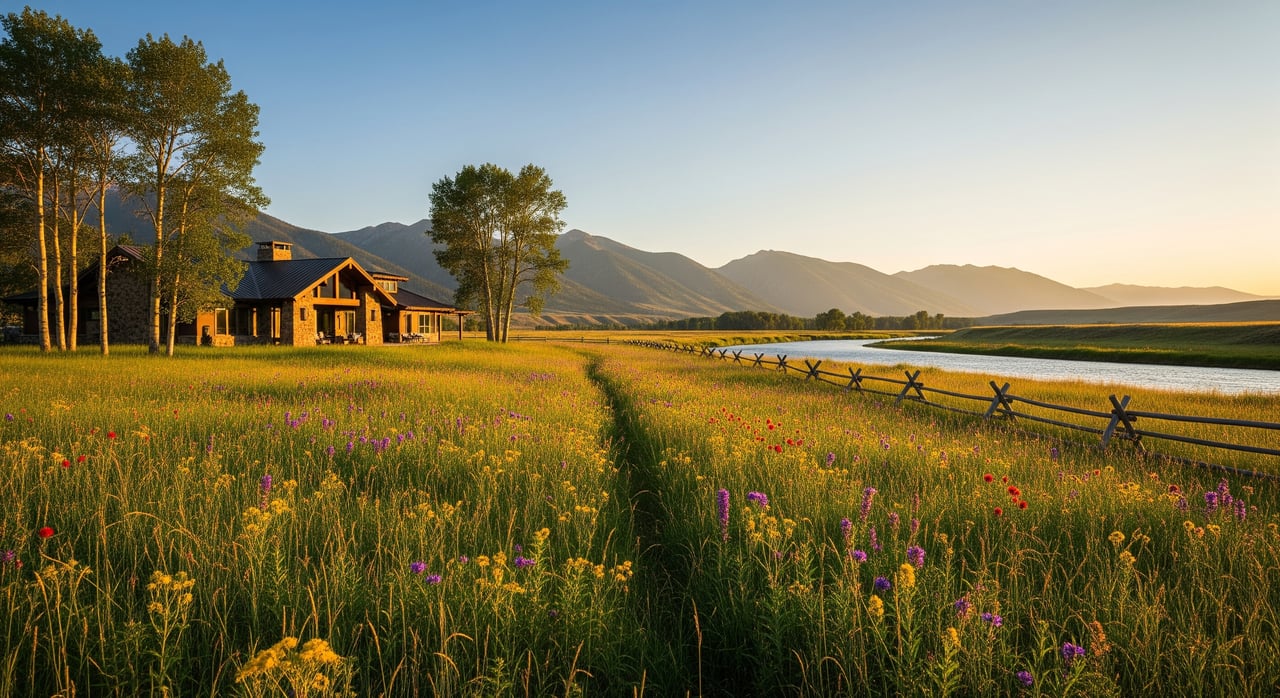
Paradise Valley’s ranchlands, riparian corridors, and wildlife habitat are part of the Greater Yellowstone ecosystem. Local landowners have already used conservation easements to keep large properties intact, such as the Paradise Valley Ranch project that permanently limits most residential and commercial development while keeping agriculture and recreation in place. With continued development pressure near Livingston and Yellowstone, an easement can be a practical long‑view tool that respects both legacy and market realities.
Benefits for your long view
- Protect working acres. Conservation easements can help keep grazing, hay, and farm operations intact rather than split into smaller parcels.
- Preserve scenic and habitat values. Easements support viewsheds, riparian corridors, and wildlife movement that define the Valley’s character.
- Support estate planning. Reducing development rights can lower taxable value and make it easier to pass land to the next generation.
- Monetize development rights. You can sell an easement through programs like NRCS ACEP while keeping ownership and compatible uses. Explore Montana’s ACEP options on NRCS’s program page.
Key tradeoffs to weigh
Easements limit future development, which can affect market value. Some buyers pay premiums for developable land while others value protected open space and certainty. The exact impact depends on the parcel and demand in the moment. For how encumbrances show up in title and underwriting, review this explainer on easements and marketability.
Land trusts usually require accurate baseline documentation and ongoing monitoring, and many request a stewardship contribution to fund future oversight. If your land is mortgaged, expect to coordinate early with your lender and title company so the easement is properly recognized. Finally, if you plan to seek federal tax benefits, you must follow appraisal and filing rules to the letter.
Montana rules to know
Recording and duration
Montana requires conservation easements to be recorded in the county where the land sits and to include a legal description or recorded plat reference. See Mont. Code § 76‑6‑207. The state allows both perpetual and term easements, with terms no shorter than 15 years. See Mont. Code § 76‑6‑202.
Property tax assessment
Montana law directs assessors to value property subject to a conservation easement based on its restricted uses, with special rules that include a historical floor and tax treatment for the holder’s interest. Outcomes vary, so ask the Park County assessor how your specific easement could apply. Review Mont. Code § 76‑6‑208.
Federal tax deductions
A donated conservation easement may qualify as a charitable contribution if it meets the IRS definition of a qualified real property interest, is granted to a qualified organization, and is exclusively for conservation purposes. Requirements are spelled out in Treas. Reg. § 1.170A‑14. If you claim a deduction over $5,000, you must obtain a qualified appraisal and file Form 8283 with the appraiser’s signature. See the IRS instructions for Form 8283. The IRS has increased scrutiny of abusive syndicated transactions, so work with independent, qualified advisors.
Funding and local partners
Many Paradise Valley easements are held by regional land trusts that steward and monitor properties over time. Two frequent holders are Gallatin Valley Land Trust (GVLT) and Montana Land Reliance (MLR). Public funding can also play a role. NRCS’s ACEP program can purchase easements on agricultural lands or share restoration costs. Learn more on NRCS’s Montana ACEP page.
Stewardship matters after closing. Expect periodic monitoring and clear communication about permitted uses. Many land trusts secure stewardship funds up front to ensure long‑term defense and monitoring capacity, a practice described by organizations like Teton Land Trust.
How to get started
- Clarify your goals. Decide what you want to protect and whether donation, sale, or a mix best fits your needs. A concise primer is available from Montana Land Reliance.
- Talk with potential holders. Contact GVLT or MLR to discuss priorities, standard terms, and stewardship capacity. Use GVLT’s Paradise Valley example as a conversation starter: Paradise Valley Ranch.
- Explore public programs. Ask NRCS about ACEP opportunities, ranking timelines, and valuation methods on the Montana ACEP page.
- Confirm title and lender position. Order a title commitment, then engage any mortgage lender early to secure consent or appropriate language so the easement and financing align.
- Document baseline conditions. Work with the holder on maps, photos, and resource descriptions that set the starting point for monitoring.
- Hire qualified advisors. Retain a qualified appraiser and tax counsel to meet Form 8283’s appraisal, timing, and signature requirements, and to align with Treas. Reg. § 1.170A‑14.
- Negotiate practical terms. Tailor reserved rights like building envelopes, ag uses, roads, and access. Discuss stewardship funding and monitoring schedules.
- Close and follow through. Record the easement as required by Mont. Code § 76‑6‑207. After closing, keep communication open and comply with monitoring.
Buying or selling with easements
Easements are recorded encumbrances that run with the land. Buyers, lenders, and title insurers will review them closely, so clarity is your friend. Easement terms can affect use, value, and financing, and they can also increase certainty for buyers who value protected open space. To understand how easements show up in title and underwriting, this overview of easements and covenants on titles is a helpful primer.
Bottom line
In Paradise Valley, easements are not just about saying no to development. They are a way to say yes to working lands, clean water, wildlife habitat, and long‑term family goals. With the right holder, careful drafting, and clean coordination among lenders, appraisers, and title, you can protect what matters and still keep options for productive use.
If you are weighing an easement or considering buying or selling land with one, let’s talk through strategy, market impacts, and timing. Reach out to Mark Meissner for local, technically informed guidance tailored to your goals.
FAQs
What is a conservation easement in Montana?
- It is a recorded restriction that limits development while you keep private ownership and compatible uses, commonly used to protect agricultural, scenic, water, or wildlife values.
How long can a Montana conservation easement last?
- It can be perpetual or for a term of at least 15 years, and term renewals must also be at least 15 years.
Will a conservation easement lower my property taxes in Park County?
- Montana requires assessment to reflect restricted use, but special rules and floors apply, so outcomes vary by parcel and you should consult the county assessor early.
Can I sell an easement instead of donating it?
- Yes. Programs like NRCS ACEP can purchase easements or share restoration costs, allowing you to monetize development rights while keeping ownership.
Do I need my lender’s consent before recording an easement?
- If the property is mortgaged, plan on early coordination with your lender and title company so the easement and your financing align and the easement remains effective.